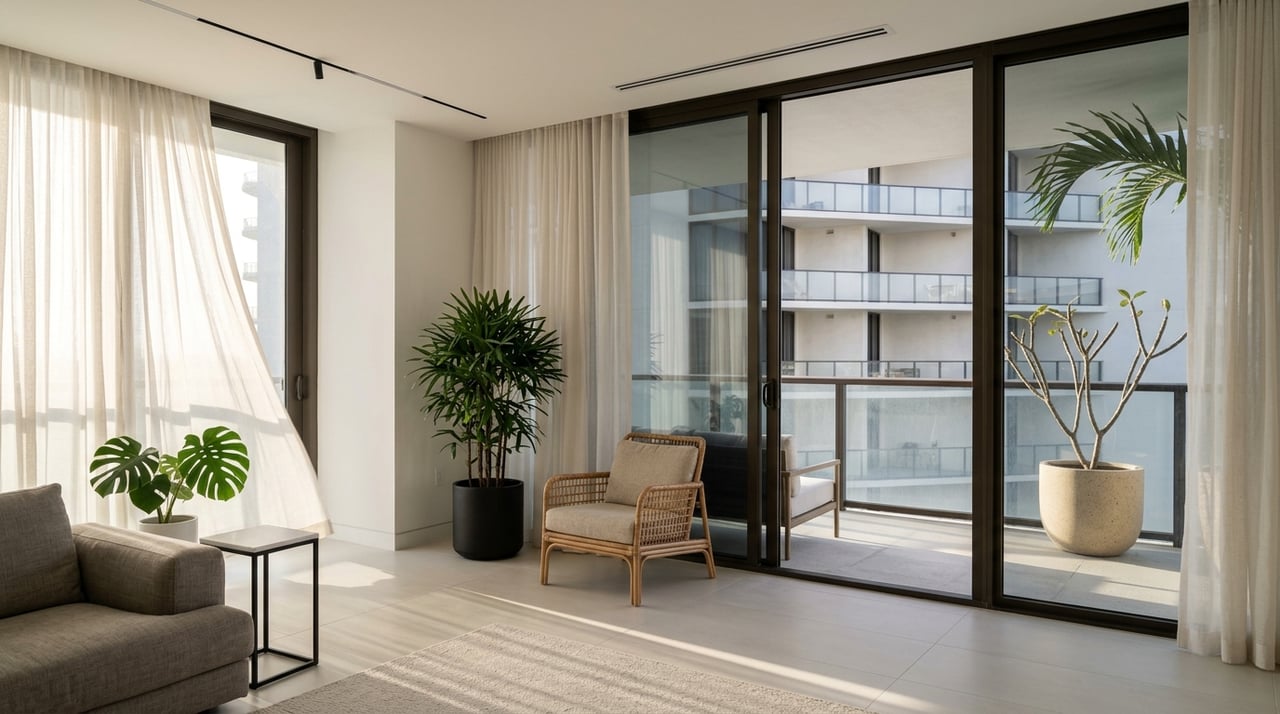
If you are based in Japan and thinking about buying a Waikiki condo, the opportunity can be exciting and the process can feel unfamiliar at the same time. You may be comparing ownership types, reviewing English-language legal documents, and trying to understand building rules from overseas. This guide will help you focus on the issues that matter most in Waikiki so you can move forward with more clarity and confidence. Let’s dive in.
Understand what you are buying
In Hawaii, a condominium is a form of ownership, not just a unit inside a building. When you buy a condo, you typically purchase the unit itself plus an interest in the common elements, such as lobbies, corridors, parking areas, grounds, pools, roofs, and major building systems, as outlined in Hawaii’s condominium fact sheet.
That ownership also comes with a legal framework. The declaration, bylaws, and house rules help define how the property can be used, how the association operates, and what owners are expected to follow. For a buyer in Waikiki, these documents often matter more than assumptions based on other condo markets.
Fee simple vs. leasehold
One of the first things you should confirm is whether a Waikiki condo is fee simple or leasehold. Under Hawaii law, a leasehold condo means you may own the unit and its common interest while the land itself is leased rather than conveyed with the deed, as described in Hawaii Revised Statutes Chapter 514B.
This is not a small detail. If a property is leasehold, you should closely review the lease term, rent obligations, possible rent adjustments, and any renewal rights. For overseas buyers, this is one of the most important diligence items because it can directly affect long-term value, financing, and future plans for the property.
Review governing documents carefully
A Waikiki condo purchase is never just about location, view, or amenities. According to Hawaii’s condo ownership guidance, when you buy a unit, you agree to comply with the declaration, bylaws, and house rules.
These documents can cover a wide range of daily and financial issues, including:
- Permitted and prohibited uses
- Pet policies
- Board powers
- Fines and late fees
- Insurance requirements
- Parking and guest rules
- Balcony and common-area restrictions
Hawaii also notes that condo communities rely heavily on self-governance and owner enforcement, with limited government intervention. That is why it is wise to request actual current records rather than rely only on listing remarks or general summaries, as explained in the state’s records access guidance.
Ask for current records
For a serious Waikiki condo purchase, your document review should include the current declaration, bylaws, house rules, financial statements, reserve information, insurance summaries, and title-related documents. Hawaii guidance also recommends obtaining the most current governing documents from the association or the Bureau of Conveyances because older developer reports may be limited or outdated, according to the state’s condo FAQ guidance.
The title report also deserves close attention. It can reveal easements, covenants, restrictions, agreements, and liens that may affect how you use the property or what obligations come with ownership.
Evaluate fees, reserves, and long-term costs
Many buyers focus first on the monthly maintenance fee. That number matters, but it should not be viewed in isolation. Hawaii states that common expenses are paid by unit owners whether or not each owner personally uses all common areas, and those expenses generally rise over time, as noted in the condo fact sheet.
A lower fee is not always better if the building is underfunded. In older or coastal buildings, reserve planning can be especially important because major components may need costly repairs or replacement.
Why reserves matter in Waikiki
Hawaii’s condo guidance explains that reserve studies are meant to identify building components with limited useful lives and meaningful replacement costs. Examples can include roofs, elevators, windows, plumbing, and repairs related to spalling, according to the state’s reserve study FAQ.
For a Waikiki buyer, the practical question is simple: does the building appear to have a realistic capital plan? A well-managed building with sound reserves may be more attractive than one with a lower monthly fee but unclear long-term planning.
Confirm insurance coverage building by building
Insurance is another area where assumptions can create problems. Hawaii’s condo insurance basics brochure explains that condo associations generally must carry certain kinds of insurance, such as property insurance, commercial general liability insurance, fidelity coverage, and directors-and-officers coverage, unless the governing documents provide otherwise.
At the same time, buyers should understand that property insurance generally does not automatically include flood, hurricane, earthquake, or other natural disaster coverage. You may also need your own HO-6 policy depending on the building’s master policy and your lender’s requirements.
Coastal exposure needs a closer look
In Waikiki, it is smart to evaluate wind and hurricane exposure on a building-by-building basis. Hawaii’s Hurricane Relief Fund information shows that special hurricane-only commercial property insurance may be available for qualifying condo associations when private coverage is unavailable, but that is association-level excess coverage and not a substitute for reviewing the building’s actual insurance setup.
In short, do not assume a desirable location automatically means simple insurance coverage. Ask what the master policy covers and what responsibility remains with you as the owner.
Verify rental use before you commit
Many overseas buyers consider occasional rental income or future flexibility. In Waikiki, you should verify rental rights carefully rather than assume they come with the property.
Honolulu’s short-term rental ordinance requires sellers to disclose whether short-term rental use is a legal use for the property before a purchase contract is signed. If the property is already being used as a short-term rental, the seller must also provide permit or registration information and tax-clearance details.
The building rules still matter
Even if a property is in an area commonly associated with visitor use, that does not automatically mean short-term rental activity is allowed for a specific unit. The zoning, permits, and governing documents all need to align.
This is one of the biggest reasons to review the exact current house rules before you make an offer. House rules can also regulate issues like quiet hours, guest parking, pool use, balcony behavior, and fines, as noted in Hawaii’s condo fact sheet.
Prepare early for financing and closing
If you plan to finance your purchase, it helps to start early. The Consumer Financial Protection Bureau’s home loan toolkit recommends understanding mortgage options, reviewing the Loan Estimate carefully, and preparing for documentation requests well before closing.
Lenders may ask about residency, immigration status, income verification, identity, and account information. The key point is that the process usually involves more than nationality alone. Early preparation can help reduce delays, especially when documents are being coordinated across countries and time zones.
Know what happens at closing
Closing usually includes underwriting, document review, inspection steps, title work, insurance arrangements, and final signing. The CFPB’s closing guidance makes clear that once the closing documents are signed, you are responsible for the mortgage loan.
For buyers in Japan, remote coordination can be a major advantage. Hawaii law allows remote online notarization for a remotely located individual, including a person outside the United States, when the document relates to U.S. property or another U.S. legal matter. Hawaii also supports e-recording, which can help reduce the need for physical presence during the recording process.
Protect yourself from wire fraud
Remote transactions are convenient, but they also require caution. The CFPB warns in its mortgage closing scam alert that fraud often targets buyers shortly before closing, especially through fake email instructions for wire transfers.
If you are sending funds from overseas, verify wire instructions through a known phone number or an established contact, not by replying to an email alone. A mistaken or fraudulent wire can be very difficult to recover.
Why bilingual support matters
For Japanese buyers, language clarity is not just about comfort. It is about decision-making. Legal documents, condo records, title matters, and lender requirements all need to be understood accurately.
HUD’s limited English proficiency guidance and translated mortgage materials are helpful, but they do not replace a careful review of the actual English-language legal documents involved in your purchase. That is why many international buyers benefit from a coordinated team that includes a real estate advisor, lender, escrow or title professionals, and when needed, a Hawaii attorney for leasehold or document-heavy situations.
A practical approach for Japanese buyers
A strong Waikiki condo purchase process often includes:
- Confirming fee simple or leasehold status early
- Reviewing the current declaration, bylaws, and house rules
- Checking maintenance fees, reserves, and capital planning
- Understanding building and personal insurance responsibilities
- Verifying short-term rental legality for that specific property
- Coordinating clearly across English and Japanese communication needs
If you want a calm, detail-focused buying experience in Waikiki, those steps can protect both your time and your investment.
Buying a condo in Waikiki from Japan can absolutely be done smoothly, but the right process matters. With clear diligence, careful document review, and bilingual support throughout the transaction, you can make decisions with more confidence and fewer surprises. If you are considering a Waikiki condo and want discreet, high-touch guidance tailored to your goals, connect with Seiko Ono for a confidential consultation.
FAQs
What should Japanese buyers check first when considering a Waikiki condo?
- Confirm whether the property is fee simple or leasehold, then review the current governing documents, maintenance fees, reserves, insurance, and any rental restrictions.
How important are condo house rules for a Waikiki purchase?
- House rules are very important because they can regulate everyday use of the property, including guests, parking, balconies, amenities, and possible fines.
Can a Japanese buyer close on a Waikiki condo remotely?
- Yes. Hawaii law allows remote online notarization in qualifying situations involving U.S. property, which can help overseas buyers complete parts of the closing process remotely.
Are all Waikiki condos allowed to operate as short-term rentals?
- No. Short-term rental use must be verified for the specific property because zoning, permits, and building governing documents all need to align.
Why do reserve funds matter when buying a Waikiki condo?
- Reserve funds help a condo association plan for major repair and replacement costs, which can affect the building’s financial health and your future ownership costs.
What kind of support can help Japanese buyers during a Waikiki condo purchase?
- Bilingual guidance can help you understand the process, coordinate across time zones, review documents more clearly, and communicate efficiently with the full transaction team.