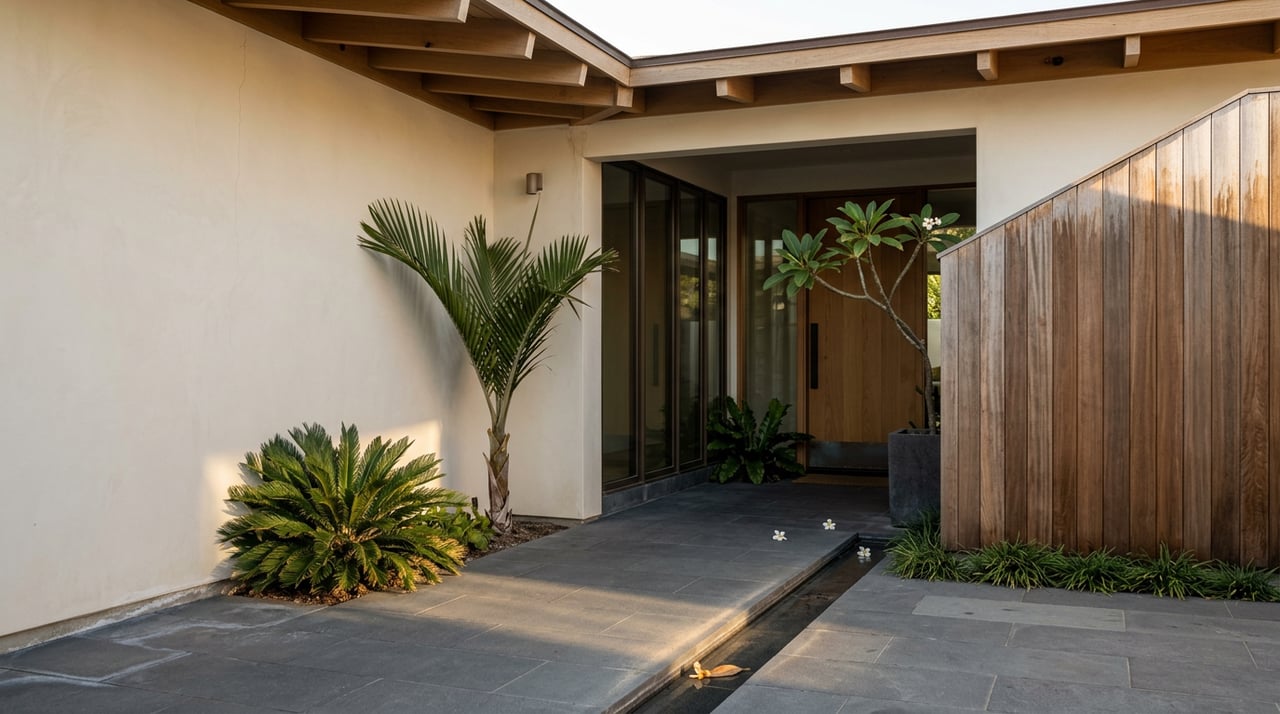
Ten minutes covers it. From the porte cochere at The Kahala Hotel & Resort, cut over to Waialae Avenue, and you will pass Kahala Mall's parking structure before your coffee has cooled. That distance used to matter less than it should have, because the hotel end of the street and the mall end of the street have run on two different schedules for years. One takes reservations. One does not. Anyone who tried to book a Friday table this spring already knows which is which, and the gap between those two clocks is the thing worth understanding if you live here.
The Reservation End
Hoku's closed the way a restaurant closes when it has been part of the neighborhood for thirty years: with a last Sunday brunch on February 15 and a last dinner service on February 20, according to Aloha State Daily's coverage of the transition. Reservations for its replacement, Alan Wong's, opened on OpenTable on February 23 for dining on or after April 8. That is a six-week gap between the moment you could book and the moment the doors actually opened, which tells you something about how this restaurant is meant to be approached: not as a walk-in option but as a calendar event you plan around.
The restaurant opened to the public on April 8, occupying the space Hoku's held for nearly three decades. The menu brings back dishes from Wong's original King Street restaurant, ginger-crusted onaga with miso sesame vinaigrette among them, alongside new plates built around local ingredients. Four months in, it is still the kind of dinner you book rather than decide on that afternoon.
The Veranda, the hotel's other dining room and the one known for afternoon tea, closed temporarily during the changeover and reopened alongside Alan Wong's. Its current schedule puts afternoon tea on Saturdays from 1:00 to 3:30 p.m., a narrower window than in past years, and Sunday brunch by the hotel resumed March 29 with no changes to the existing menu. That distinction matters more than it looks. If a Friday dinner table at Alan Wong's is out of reach, a Saturday tea or Sunday brunch reservation runs on the hotel's broader capacity rather than a single dining room's turn count, and it tends to be the easier way in.
The Walk-In Side, Twice Over
Cross Waialae and the rhythm changes completely. Kū'ono Marketplace, the Kamehameha Schools development directly across from Kahala Mall, opened in 2020 on land that had been six separate parcels including an old gas station. Six years on, it has filled out into something closer to a self-sufficient commercial block than a strip of storefronts. The current tenant map includes Kahala Mkt by Foodland with its et al. restaurant and bar, Daiichi Ramen, Coffee Bean & Tea Leaf, Lanikai Juice, J Dolan's, Yohei Sushi, BB.Q Chicken, Drybar, and Territorial Savings Bank. That is grocery, dinner, coffee, banking, and a haircut without needing to leave one parking lot, which is a different kind of convenience than a restaurant with a six-week reservation window.
Kahala Mall itself has not stood still while its neighbor across the street matured. Last October the mall marked 55 years since it opened as Hawaii's first enclosed, air-conditioned shopping center in 1970, built atop the open-air Waialae Shopping Center that had occupied the site since November 1954. This year it kept turning over storefronts the way a mall with that kind of history does. Waiwaolani, a Maui-based clothing brand built around Hawaii's native ecosystems, opened its first Oahu retail location on June 20 in the space Fighting Eel used to occupy. Vince's Cafe added another casual daytime option to the food lineup.
Put those two blocks side by side and the useful fact is not that either one is new. It is that Waialae Avenue in Kahala now has two working retail nodes facing each other across four lanes, each one capable of covering groceries, coffee, a meal, and an errand without crossing to the other side. Which side you end up using more depends less on preference than on which direction your driveway faces. That redundancy did not exist when Kū'ono was still filling vacancies.
A Third Node Most People Skip
There is a block that rarely gets folded into either version of "Kahala shopping," and it sits a short drive off Waialae on Kilauea Avenue. Kahala Korner is home to Kapa Hale and Olive Tree Cafe, both long-running fixtures, and this year it added CU Hawaii, a Korean convenience store, in the former Subway space. It is the chain's second location after a downtown Honolulu debut last fall, open daily from 6 a.m. to 10 p.m., sized for takeout rather than browsing. It will not replace a grocery run, but it fills the gap between a full Kū'ono trip and a quick stop, and it is easy to forget it is there if your mental map of Kahala only has two shopping centers on it instead of three.
Reading the Two Clocks Together
None of this changes what Kahala has always been, a beach neighborhood with a resort at one end and a shopping center at the other. What has changed is how much of an evening you can now spend without leaving that stretch, and how differently the two halves of it operate. The hotel end runs on a reservation calendar that rewards planning weeks ahead, whether that means a dinner table at Alan Wong's or a Saturday afternoon tea slot at The Veranda. The rest of the avenue, from Kū'ono's full tenant roster to Kahala Mall's newest storefronts to Kahala Korner a few minutes away, runs on walk-in time and rewards nothing more than showing up.
Knowing which clock you are dealing with before you get in the car is the difference between a good night out and a wasted drive to a restaurant that was never going to seat you without a reservation. For residents who remember the old Fighting Eel storefront and the gas station that used to sit where Kū'ono now stands, that is worth filing away. The neighborhood did not get bigger this year. It got easier to plan around, provided you know which half of Waialae you are on.
If you are weighing what any of this means for a specific property in Kahala, or thinking about timing a move in a neighborhood that keeps proving how much it can support without ever feeling crowded, Seiko Ono has spent more than two decades watching this street change one storefront at a time. Request a confidential consultation whenever you are ready to talk specifics.