Wondering whether that charming older house in Kaimukī is a hidden gem or a project that needs more planning than you expected? If you are drawn to vintage homes in 96816, you are not alone. Kaimukī’s appeal often comes from the mix of character, convenience, and long-established residential streets. Before you buy, it helps to understand how these homes differ from newer properties and what kind of due diligence matters most. Let’s dive in.
Why Kaimukī Vintage Homes Stand Out
Kaimukī is one of Oʻahu’s oldest communities, and that history still shows in its housing stock. The area remains primarily residential, with a blend of historic homes and newer construction. You also have a small business district along a major roadway, plus parks, a regional library, Kapiʻolani Community College, and a busy farmers market.
That combination helps explain why many buyers see Kaimukī as a place where old-home charm and daily convenience come together. Community feedback has also highlighted the neighborhood’s hilly terrain, open views, wide sidewalks, tree-lined streets, and appreciation for older and historic buildings. If you value character and a strong sense of place, Kaimukī often delivers both.
What “Vintage” Can Mean in Kaimukī
In Kaimukī, vintage does not always mean the same style or era. Some homes reflect the earlier bungalow period, while others come from the late 1940s and 1950s as the neighborhood continued to urbanize. That means your options may range from classic Craftsman details to more practical postwar layouts.
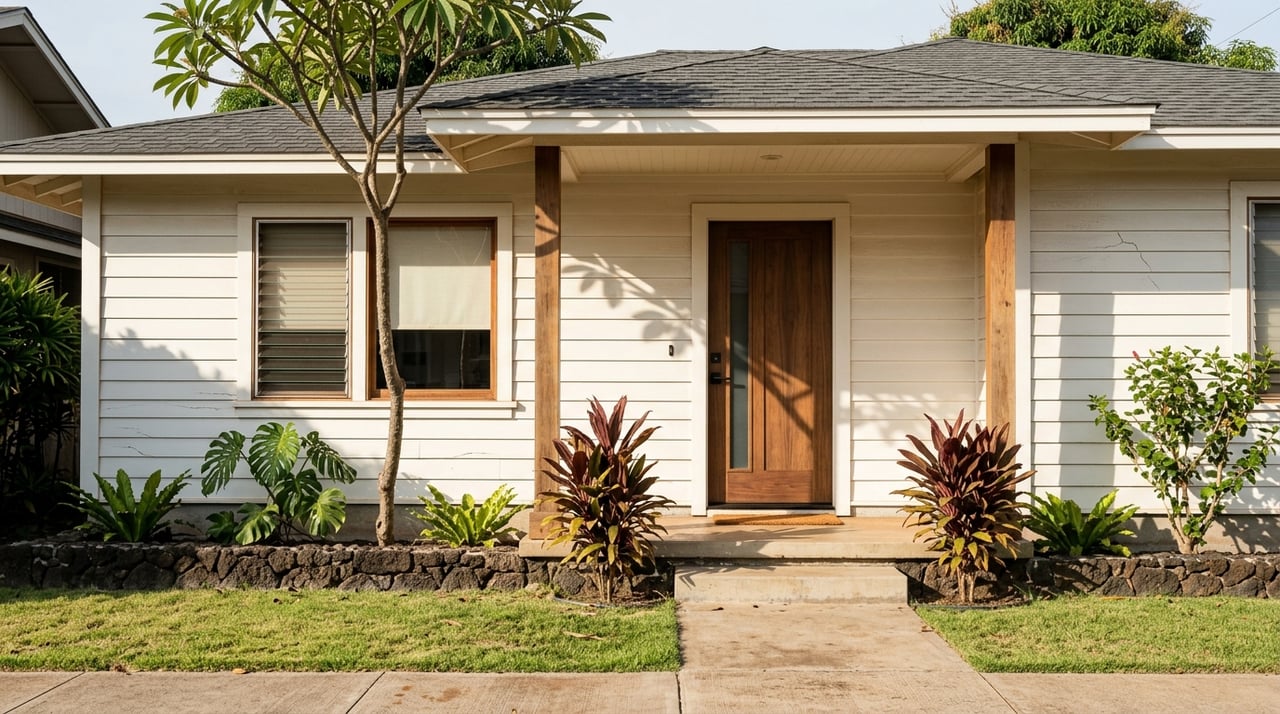
Historic examples in Kaimukī include Craftsman bungalows with front porches, wraparound porches, intersecting gable roofs, hipped roofs, large eave overhangs, and dormers. For you as a buyer, that often translates to homes with more original wood character, smaller rooms, and outdoor porch or lanai areas rather than the open-concept floor plans common in newer construction.
Architectural Details To Look For
Part of buying a vintage Kaimukī home is learning to recognize what gives it character. Original features can add visual appeal and a sense of craftsmanship that is hard to recreate today. They can also influence future repair and renovation decisions.
Here are a few details you may see in older Kaimukī homes:
- Front porches or wraparound porches
- Gable or hipped rooflines
- Large eave overhangs
- Dormer windows or attic-level space
- Original wood elements and trim
- More defined room layouts instead of large open-plan spaces
These features can make a home feel distinctive, but they also deserve a careful look during inspections and planning. Older materials and design elements may require a different maintenance approach than newer homes.
Why Due Diligence Matters More With Older Homes
Any home purchase deserves careful review, but older homes usually require a more focused checklist. In Kaimukī, two issues deserve especially close attention: termites and moisture. Both can affect condition, repair scope, and your longer-term upkeep plan.
The University of Hawaiʻi CTAHR identifies the Formosan subterranean termite as Hawaiʻi’s most damaging insect pest. Subterranean termites use mud tubes to reach wood, which is one reason careful inspection matters so much in older wood-frame homes.
Check Carefully for Termites
When you tour or inspect a vintage property, ask for a clear understanding of termite history, current treatment, and visible warning signs. You are looking for both active issues and clues that point to conditions termites like. Even a beautiful home with strong curb appeal can have hidden vulnerabilities.
CTAHR notes that prevention relies on monthly visual checks, good drainage, fixing leaks, keeping plants and planters away from walls, and watching for cracks in foundations and walkways. For a buyer, that means you should pay attention not just to the home itself, but also to how the site has been maintained over time.
Pay Attention to Moisture and Drainage
Moisture can be a major concern in older homes because it often contributes to wood damage and conditions that support termite activity. Kaimukī’s hilly geography can be part of its visual appeal, but grading and drainage still deserve careful review on any specific property.
As you evaluate a home, look closely at signs of leaks, drainage patterns, and areas where water may collect near the structure. A property with strong maintenance habits, good drainage, and prompt repairs is often better positioned for long-term ownership than one where small issues were left to grow.
Research Permits Before You Buy
If you are buying a vintage home with plans to update it, permit research should happen early. Honolulu’s Department of Planning and Permitting requires building permits for additions. Permits are also required for converting part of a dwelling into a bathroom, wet bar, or laundry room, and for converting a carport, garage, or uncovered lanai into living space.
That matters because some changes you see in an older home may have required permits when they were done. Before you close, it is wise to review available records and confirm what is legal, what is existing, and what may need further review.
Use Honolulu Property Tools
Buyers can use Honolulu’s open-data resources and parcel information tools to gather useful property details. These resources can help you check building permits, zoning, warnings or advisories, and flood zone status. For an older home, this research can be just as important as the physical inspection.
Flood information also matters if you hope to renovate after closing. The DPP notes that if the flood zone is anything other than XS, X, or D, the project is treated as in flood for permitting purposes. That can affect what kind of work is possible and how smoothly approvals move.
Understand Historic Register Questions
Not every older home in Kaimukī is on the Hawaiʻi Register, but you should find out whether a property has any historic designation or review implications. This can affect what changes are reviewed and how future renovation plans move forward.
For listed properties, the State Historic Preservation Division evaluates integrity of materials, design, feeling, location, association, workmanship, and setting. Listed private property may also qualify for county property-tax benefits, and alterations are subject to SHPD review under HRS 6E.
When Review May Be Different
SHPD also notes an important distinction for some homes over 50 years old. Projects limited to the building envelope of single-family dwellings and townhouses over 50 years old that are not listed on the Hawaiʻi Register are exempt from 6E-42 review. If you are considering updates, this is the kind of detail worth understanding before you build your renovation budget and timeline.
This does not replace permit review from Honolulu, and it does not mean every project is simple. It does mean that the property’s register status can shape your planning process in meaningful ways.
Questions To Ask Before Making an Offer
A vintage Kaimukī home can be rewarding to own, but the right questions matter. Asking them early can help you avoid surprises and compare homes more clearly.
Consider asking:
- Has the home had termite treatment, and is there documentation?
- Are there visible signs of moisture intrusion, drainage issues, or leaks?
- Were additions or interior conversions completed with permits?
- Is the property listed on the Hawaiʻi Register?
- Are there advisories, warnings, or flood-zone issues that could affect future work?
- Which original features remain, and what condition are they in?
These questions can help you understand whether you are buying mostly charm, mostly work, or a balanced mix of both.
The Opportunity in Buying Well
A vintage Kaimukī home can offer something many buyers want but struggle to find in newer inventory: architectural personality, established surroundings, and a strong connection to neighborhood history. At the same time, older homes reward careful buyers who look beyond style and into condition, permitting, and long-term upkeep.
When you approach the process with the right research, you are better positioned to buy with confidence. If you are considering a character home in Kaimukī and want thoughtful guidance tailored to your goals, Seiko Ono can help you navigate the process with care and discretion.
FAQs
What makes a vintage Kaimukī home different from a newer Honolulu home?
- Vintage Kaimukī homes often feature Craftsman or postwar design, smaller room layouts, porches or lanais, and more original wood character than newer open-plan homes.
What should you check first before buying an older home in Kaimukī?
- Focus early on termite risk, moisture and drainage, permit history, flood-zone status, and whether the property has any Hawaiʻi Register designation.
Do renovations on older Kaimukī homes require Honolulu permits?
- Yes, additions require a building permit, and permits are also required for certain conversions such as turning a garage, carport, or uncovered lanai into living space.
Can a historic designation affect a Kaimukī home renovation?
- Yes, if a property is listed on the Hawaiʻi Register, alterations are subject to SHPD review under HRS 6E and may also qualify for county property-tax benefits.
Why are termites such an important issue for vintage homes in Hawaiʻi?
- CTAHR identifies the Formosan subterranean termite as Hawaiʻi’s most damaging insect pest, and older wood-frame homes can be especially important to inspect for mud tubes, leaks, and drainage conditions that support termite activity.
How can you research a Kaimukī property before closing?
- You can review Honolulu’s open-data Building Permits dataset and the DPP parcel information tools to check permits, zoning, advisories, and flood-zone status.