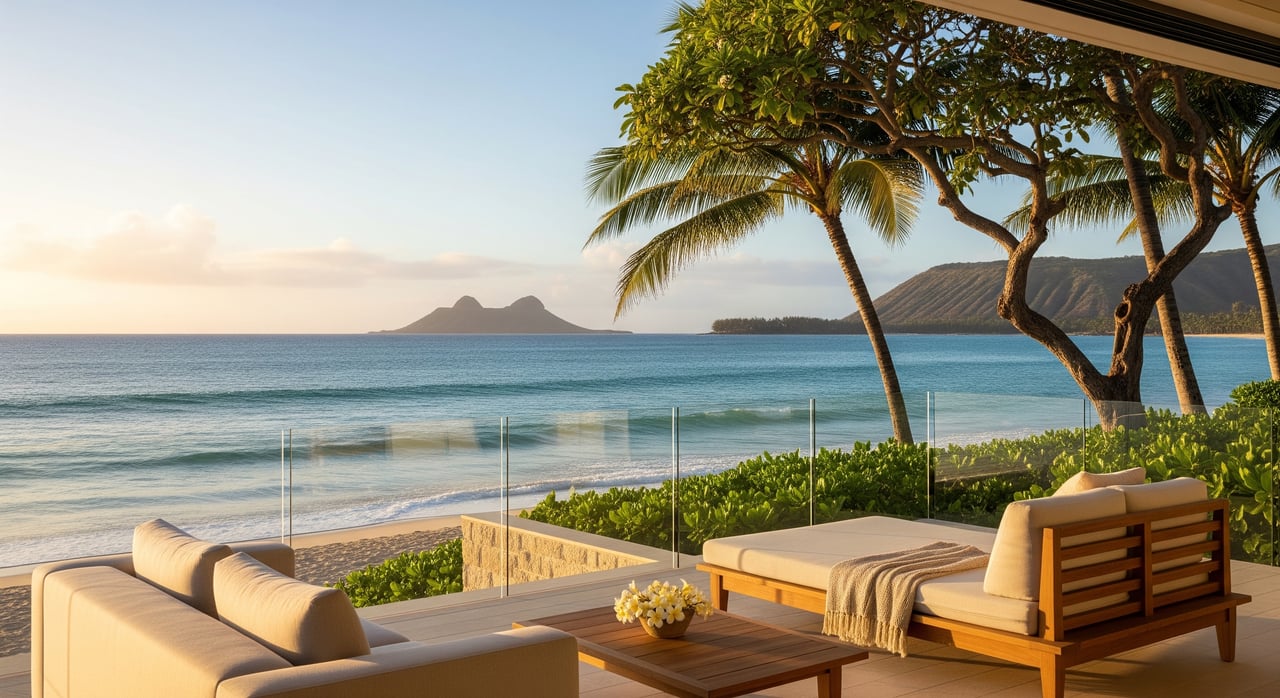
Picture this: warm trade winds, a soft sunrise over the Mokulua Islands, and your board or kayak ready by the door. If you are dreaming about a slower, coastal rhythm without losing access to Honolulu, Kailua can feel like the best of both worlds. You want a clear view of daily life, not just vacation snapshots. In this guide, you will see what everyday living in Kailua’s 96734 looks like, from beach routines and dining to homes, commutes, and practical costs. Let’s dive in.
Kailua lifestyle at a glance
Kailua is a coastal town with an outdoors-first mindset and a small-town core. You will find year-round warm weather and steady trade winds that keep mornings fresh and evenings comfortable. The town centers on Kailua Beach and nearby Lanikai Beach, where paddling, windsurfing, surfing, and sunrise walks set the tone. Nights are low-key compared with central Honolulu, with casual dining, local bars, and community events.
The rhythm shifts slightly with the seasons. Outdoor activity is possible all year, though late fall through winter often brings more rain and stronger surf. Many residents adjust plans by hitting the beach earlier, choosing sheltered coves, or heading for hikes and yoga when surf and wind pick up.
A typical morning on the beach
Start early. Kailua’s beach parking often fills quickly on weekends and holidays, and mornings bring the calmest water. You might paddle a short route toward the Mokulua Islands, walk the shoreline for a sunrise view, or swim in the clear, shallow sections near lifeguarded areas. Afterward, cafés in Kailua Town serve coffee and breakfast for the post-beach crowd.
If you prefer a land-based start, the Lanikai Pillboxes hike offers a short climb with broad ocean views. Many residents rotate between a light paddle one day and a ridge or coastal walk the next to keep routines balanced.
Outdoor recreation and trails
Kailua rewards a mix of water and land activities.
- Water sports: Stand-up paddleboarding, kayaking, snorkeling at calmer spots, and wind sports where conditions allow are part of everyday life. Respect posted rules and wildlife protections, especially around sanctuary areas near offshore islets.
- Short hikes: Lanikai Pillboxes is a favorite for quick views. If you want more challenge, inland ridge trails offer steeper climbs and big scenery in exchange for effort and caution.
- Biking and running: Flat coastal routes make casual rides easy. Inland, you can find more varied terrain and light elevation for training.
- Community fitness: Look for small studios, surf and paddle schools, and group classes that build both skills and connections.
Dining, cafes, and markets
Food in Kailua leans casual, fresh, and local. You will find seafood spots, poke counters, and farm-to-table cafés that make it easy to eat well after a beach session. Fine dining choices are fewer than in Honolulu, so many residents plan special nights in town for a broader scene. Weekly markets and pop-up events appear on local calendars if you enjoy fresh produce and prepared foods.
Shopping and daily essentials
Kailua Town, the central business district, combines independent boutiques with everyday services and national grocers. You can handle most daily errands without leaving the neighborhood. Health services include primary care clinics, dental practices, and urgent care. For specialty care, you will likely drive into Honolulu where major medical centers operate.
Getting around and commuting
Driving is the primary way residents get around. Commute times into central Honolulu vary by time of day, with peak-hour traffic adding to the trip. Kailua is walkable and bikeable in the core, especially for short errands or beach access if you live nearby. Public transit is available through the island bus system, which connects Kailua to Honolulu and other parts of Oahu, though frequency varies by route and time.
On busy beach days, parking fills up fast around Kailua Beach Park and Lanikai. Many residents plan for earlier arrivals, weekdays, or walking and biking to ease parking pressure.
Homes and neighborhoods in 96734
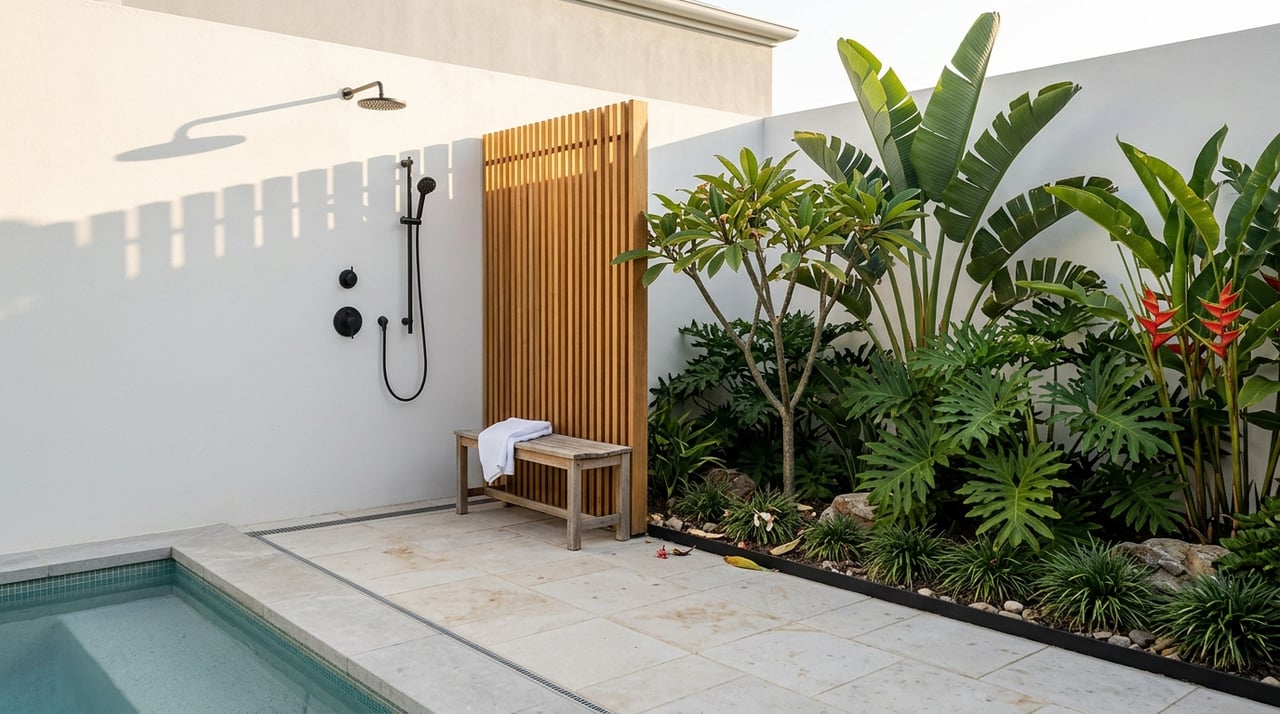
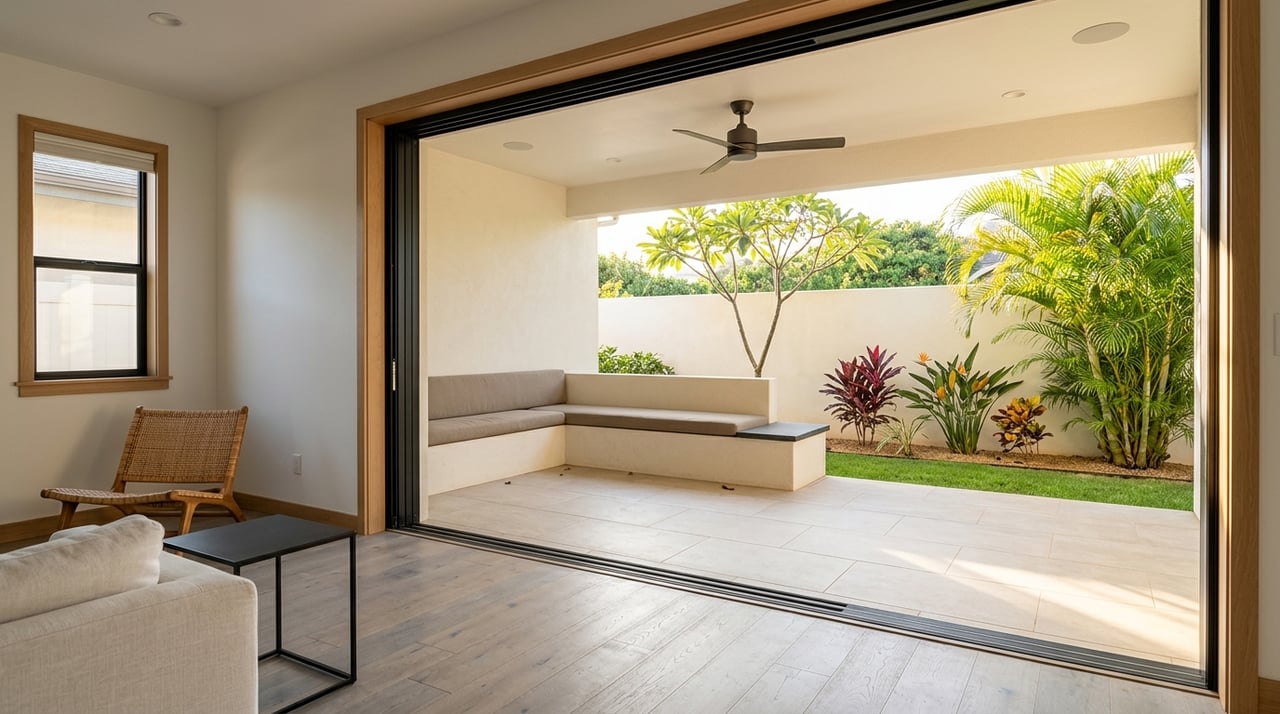
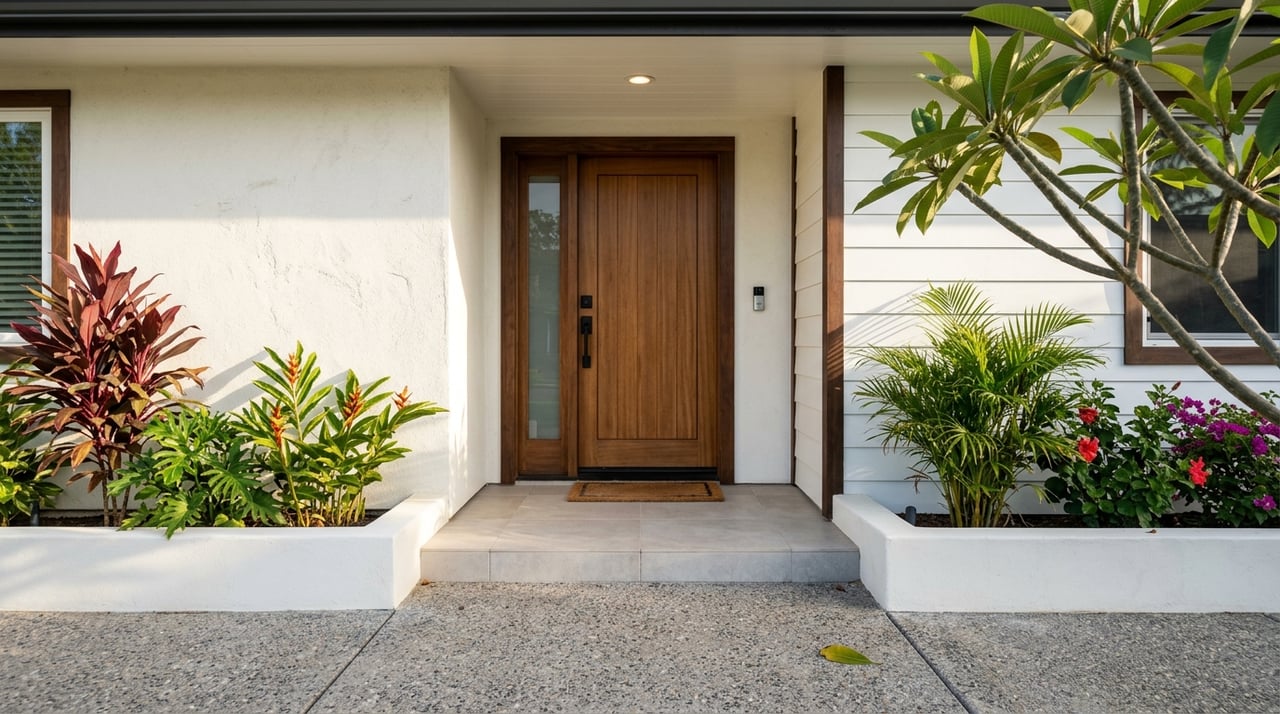
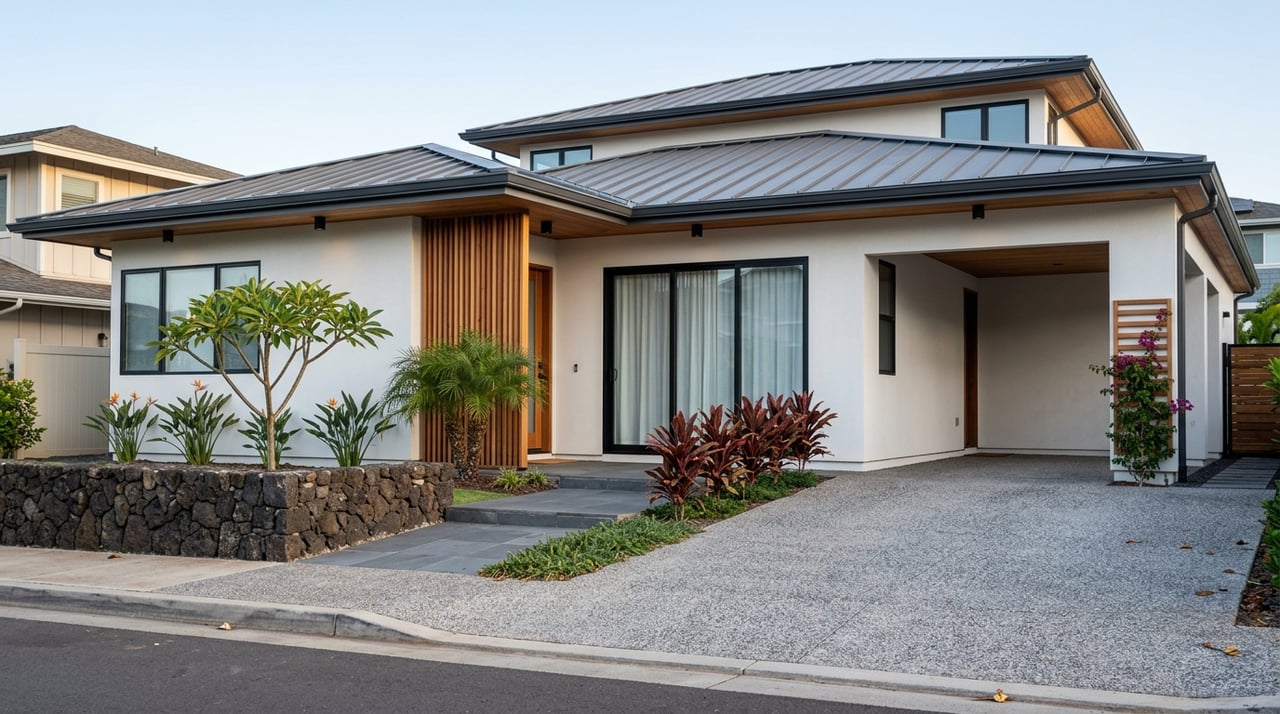
Kailua’s housing mix includes single-family homes, duplexes, and low-rise condos, along with some newer infill builds. You will see mid-century bungalows, classic beach cottages, and modern renovations that open to lanais and gardens. Closer to the beach, homes often feature open floor plans and outdoor showers, while inland areas may offer larger lots and more privacy.
- Near the shoreline: Expect higher foot traffic, more visitors during peak times, and premium property values. The benefit is fast access to sand and water.
- Central Kailua: Close to shops and dining, with walkable streets and a blend of small-lot single-family homes and townhouses.
- Inland and mauka: Quieter streets, more yard space, and a short drive or bike ride to beach access points.
Inventory can be tight compared with demand, which is shaped by buyers who prioritize the outdoor lifestyle and beach access. If you are considering older homes, many buyers renovate for larger kitchens, expanded living areas, and indoor-outdoor entertaining spaces that fit the climate.
Oceanfront upkeep and costs
Living near the ocean comes with special maintenance needs. Salt air can accelerate corrosion on metal, hinges, railings, and outdoor fixtures. Exterior paint and decking often need more frequent attention compared with inland areas. Budget for:
- More frequent exterior painting and sealing
- Stainless or marine-grade hardware where possible
- Regular window and door maintenance to combat salt exposure
- Roof and gutter checks before the wetter months
Insurance and coastal considerations may also affect costs. Work with local providers to understand flood mapping, wind coverage, and any sea-level rise assessments that apply to a specific property.
Community life and involvement
Kailua’s community fabric shows up in many small ways. You will see ocean cleanups, cultural events tied to island traditions, and service projects organized by local groups. Schools and places of worship often serve as community hubs. If you want a voice in local issues like parking, development, or beach access, the neighborhood board offers a forum to stay informed and contribute.
Evenings tend to be calm. You might meet friends for casual dinners, catch a sunset walk, or attend a community event. Larger nightlife and entertainment are available in Honolulu if you want a bigger scene on weekends.
Smart tips for prospective movers
- Start early: Plan morning beach time to get calm water and easier parking, especially on weekends and holidays.
- Mix your routine: Alternate beach days with hikes or bike routes to balance wind and surf conditions season to season.
- Test the commute: Drive your likely route to Honolulu at your expected times to understand traffic patterns.
- Verify services: Check internet providers and speed options by neighborhood if remote work is essential.
- Review rules: Short-term rental regulations are in place in many residential areas. Confirm current ordinances before buying with rental plans.
- Confirm schools: Public school boundaries can shift. Use official resources to verify current assignments if that is part of your decision.
- Plan for upkeep: Build a line item for coastal maintenance, from paint cycles to hardware upgrades.
What a day in Kailua can look like
- Sunrise beach walk or quick paddle before work
- Coffee and a simple breakfast in Kailua Town
- Midday errands or a remote-work block with a lunch break at a local café
- Late afternoon bike ride or yoga session
- Casual dinner and an evening stroll as the trade winds pick up
Work with a trusted local advisor
If you are weighing life in Kailua’s 96734, the details matter. From neighborhood microclimates and commute routes to renovation potential and coastal maintenance, you deserve clear guidance and a thoughtful plan. With deep, island-specific experience and bilingual English and Japanese service, Seiko provides a calm, private, and concierge-level process tailored to your goals. When you are ready to narrow your options or preview select homes, reach out to Seiko Ono for a confidential conversation.
FAQs
Is beach access in Kailua public?
- Yes, Hawaii’s beaches are public up to the high-water line, though practical access depends on designated parking, public paths, and lifeguarded areas.
How crowded do weekends get at Kailua and Lanikai?
- Expect more visitors on weekends and holidays; arrive early, consider weekdays, or walk and bike from nearby neighborhoods when possible.
What is the commute like from Kailua to Honolulu?
- Commute times vary by time of day and traffic; peak hours can be longer, so test your route during the times you plan to travel.
Are Kailua beaches suitable for casual swimming?
- Many areas are popular for swimming during calmer conditions; always observe posted signs, lifeguard guidance, and weather or surf advisories.
What home maintenance should I plan for near the ocean?
- Budget for more frequent exterior painting, corrosion-resistant fixtures, roof and gutter checks, and window and door upkeep due to salt exposure.
Are short-term vacation rentals allowed in Kailua?
- Short-term rentals are restricted in many residential neighborhoods; confirm current City and County rules before purchasing with rental plans.
How walkable is Kailua Town for daily errands?
- The central district offers shops, grocers, cafés, and services within a compact area, making short trips on foot or by bike practical for many residents.