Torn between Kailua’s beach-town rhythm and Hawaii Kai’s marina lifestyle? If you are moving to Oahu, the right choice comes down to the routines you want every day. You want clarity on homes, commutes, amenities, and long-term ownership factors before you decide. This guide gives you a clear, side-by-side view so you can choose with confidence. Let’s dive in.
Lifestyle snapshot at a glance
- Kailua: Beach-town community, walkable town center, strong daytime outdoor culture, limited nightlife.
- Hawaii Kai: Planned suburban and marina community, boating and waterfront living, convenient retail and services.
- Walkability: Kailua’s core is more walkable. Hawaii Kai is more car-centric with retail hubs.
- Crowds: Kailua beaches attract day visitors, especially on weekends. Hawaii Kai sees local boat traffic and fewer beach day crowds.
Neighborhood character and vibe
Kailua vibe
Kailua offers an established beach-town feel with a strong community spirit. Independent shops, cafes, and farmers’ markets anchor daily life near Kailua town and along Kailua Road. Beach access shapes the lifestyle, with residents who value morning surf checks, bike rides, and sunset walks. Evenings tend to be quiet and family oriented.
Hawaii Kai vibe
Hawaii Kai is a planned suburban and marina community near Maunalua Bay. You will find single-family neighborhoods, gated enclaves, and condos and townhomes along canals and marinas. Boating, sportfishing, and nearshore snorkeling are part of the everyday culture. Evenings often include marina-side dining and errands at nearby shopping centers.
Walkability and crowds
Kailua’s town center and beach corridors are easy to navigate on foot or bike, which many residents love. Popular beaches, including nearby Lanikai, can be busy on weekends and holidays. Hawaii Kai’s neighborhoods are more spread out, so daily errands usually require a car. Retail and dining cluster at Koko Marina and Hawaii Kai Towne Center, which keeps traffic more localized.
Homes and market dynamics
Kailua housing options
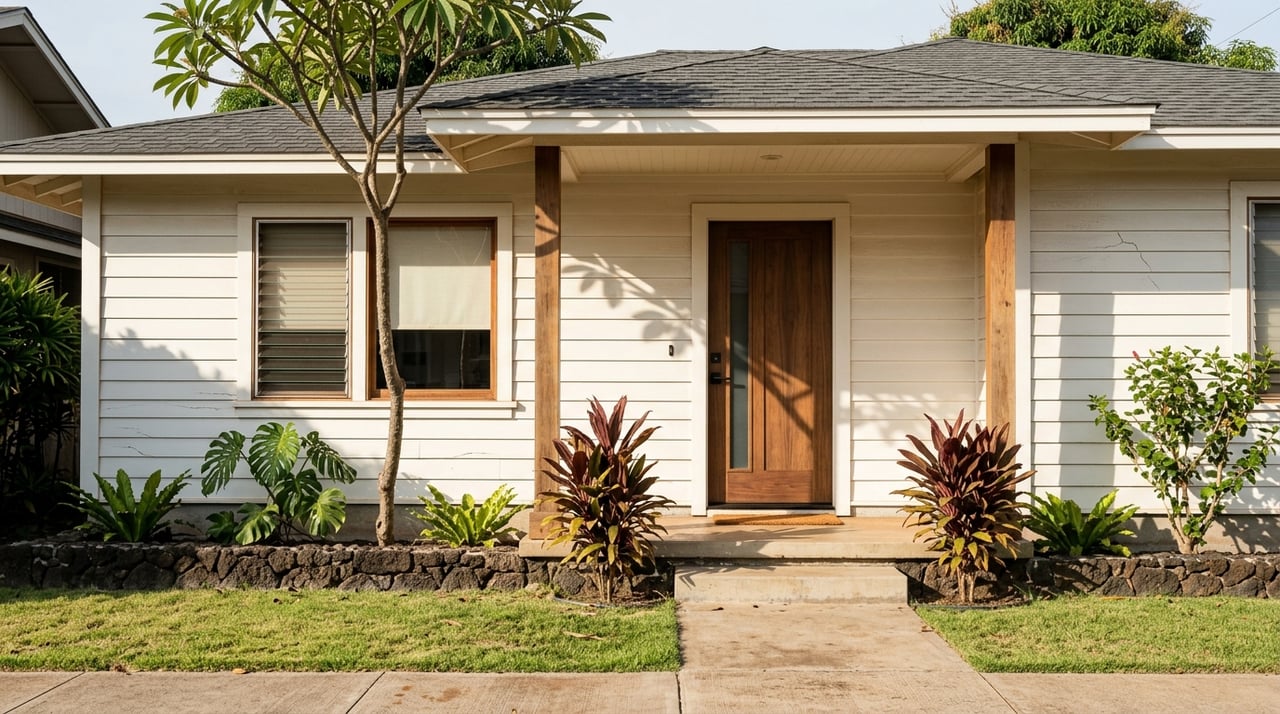
Expect a mix of older single-family homes, many with cottage or mid-century styles. Lot sizes can be smaller in core neighborhoods, and select pockets near the ocean command premium values. Condos and townhomes exist, but the supply is more limited. Ocean-adjacent properties remain highly sought after due to scarcity.
Hawaii Kai housing options
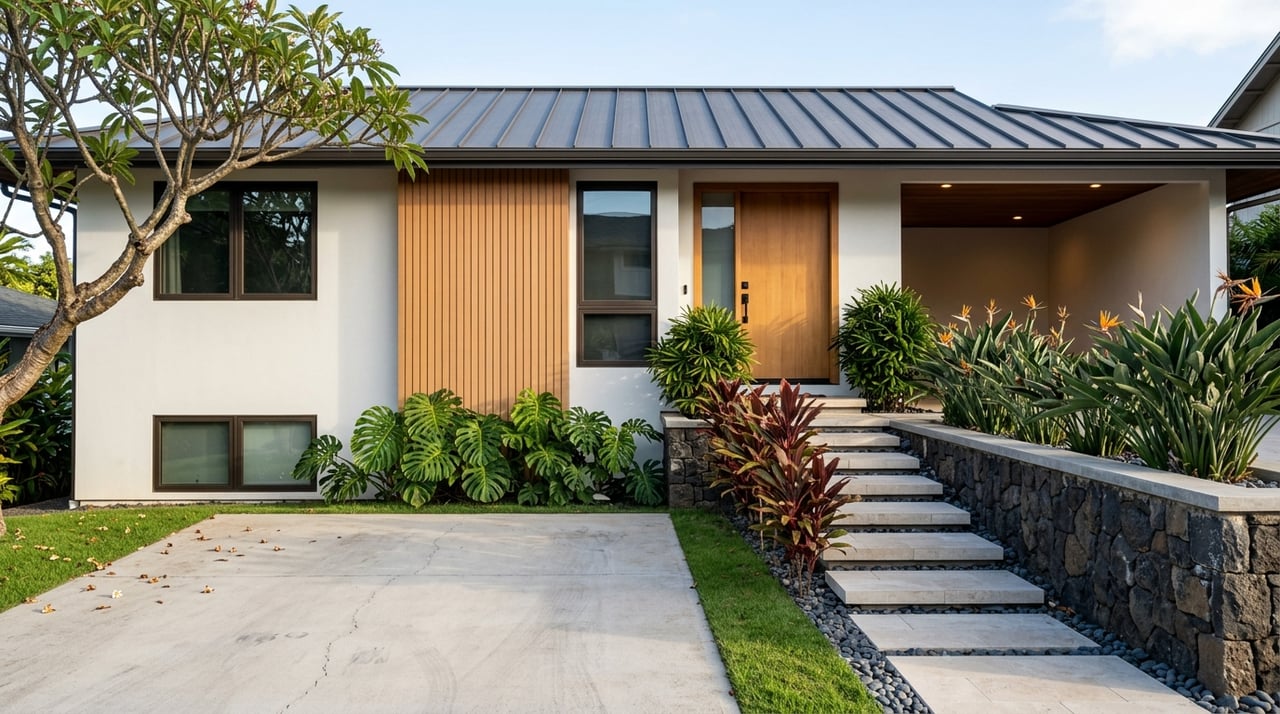
Hawaii Kai offers a wide mix of single-family homes and a larger selection of condos and townhomes. Many communities were designed around marinas and canals, and some properties include boat slips or convenient launching access. Newer homes or renovated properties are common compared with Kailua’s older stock.
Inventory, demand, and costs
Both areas are desirable, so inventory often runs tight. In Kailua, limited beachfront and lot supply can create strong competition near the water. In Hawaii Kai, waterfront and marina-oriented homes attract buyers who prioritize boating access. Many condos and marina communities include HOAs, and fees vary by property. Plan for coastal maintenance, since salt air increases wear on exteriors and systems.
Resale and rental notes
Resale prospects are supported by niche demand in both communities. Walkable Kailua properties near the beach tend to hold value due to scarcity. Hawaii Kai’s marina homes can command premiums among boating-focused buyers. Short-term vacation rentals are regulated in both areas, so verify current ordinances and any HOA restrictions before relying on rental income.
Commute and connectivity
Main routes and access
From Kailua, primary routes to urban Honolulu include the Pali Highway and Likelike Highway. These can be congested at peak times and can vary with weather and incidents. From Hawaii Kai, Kalanianaole Highway connects to the H-1 Freeway, which often provides a more direct path to downtown and the airport corridor for many commuters. Both communities rely on local arterial roads for neighborhood travel.
Commute patterns and timing
Peak-hour traffic affects both corridors. Hawaii Kai often offers a more direct freeway connection for corporate commute destinations, while Kailua’s routes can be more variable. Airport access is manageable from both, though travel time depends on traffic and your starting point. TheBus services both areas, but route frequency and directness differ. Ferry commuting is not a practical option.
Practical tips for executives
If your day is time-sensitive, test drive your route at your actual meeting times. Model school drop-offs and pickups to see the real impact on mornings. If you plan to telecommute part of the week, weigh how walkability or boating access will enhance non-commute days. For frequent flyers, map airport travel at both morning and evening peaks.
Lifestyle and amenities
Outdoor recreation
Kailua is about world-class beaches, clear water, and easy access to paddling, kayaking to the Mokulua Islands, wind and kite sports, and neighborhood run and bike routes. In Hawaii Kai, the water lifestyle centers on Maunalua Bay, with boating, sportfishing, and nearshore snorkeling. You are also close to Koko Head trails and other East Honolulu outdoor assets.
Dining, retail, and services
Kailua’s scene features independent restaurants, cafes, boutiques, and popular farmers’ markets. You will find daily medical and dental services locally, with larger hospitals accessible in Honolulu. Hawaii Kai offers conventional suburban convenience with major grocers, national chains, medical and dental clinics, and marina-view restaurants. Proximity to East Honolulu hospital systems and larger shopping centers simplifies logistics.
Schools and family services
Both areas are served by the Hawaii State Department of Education. School assignments vary by specific address, and families often weigh boundaries, enrollment options, and extracurriculars. Each community offers preschools, sports programs, and community centers, though spots can fill quickly. Verify school details for each property you consider.
Safety and preparedness
Both communities are generally seen as family-friendly, though conditions vary by micro-neighborhood. Review local crime data and police reports for specific blocks if this is a priority. Coastal communities participate in tsunami evacuation planning, and routes and shelter guidelines differ by area. Know your evacuation zone if you are near the water.
Coastal risks, rules, and insurance
Flood, tsunami, and insurance basics
Low-lying beachfront properties in both Kailua and Hawaii Kai may fall within FEMA flood zones and tsunami evacuation areas. Long-term sea-level rise and coastal erosion can affect certain lots and may influence future improvements. Expect to evaluate flood policies, wind and hurricane coverage, and higher premiums on oceanfront homes. If you are buying a marina property, consider any additional marine-related insurance needs.
Zoning, permitting, and HOA oversight
Oahu’s shoreline setback rules and the Special Management Area process influence development near the coast. Some projects may require review by state agencies and city departments. In Hawaii Kai, HOAs often govern boat slip use, rentals, and exterior standards. Always review CC&Rs, house rules, and marina regulations before you submit an offer.
Healthcare and access
Hawaii Kai has close access to East Honolulu hospital systems and clinics. Kailua residents use local clinics and often travel to larger hospitals in Honolulu for specialized care. Map your preferred providers and plan for travel time if healthcare proximity is important to your household.
Which buyers fit where
- Best for boat owners: Hawaii Kai has stronger marina infrastructure and more properties with slips or easy launching.
- Best for walk-to-beach living: Kailua offers more walkable corridors to beaches and shops, especially around the town center.
- Best for a time-sensitive corporate commute: Hawaii Kai often provides a more direct freeway route, though your actual experience depends on time of day and destination.
- Best for a quieter, small-town feel: Kailua delivers a relaxed, daytime outdoor lifestyle and a tight-knit community rhythm.
How to decide: A simple checklist
- Commute modeling: Test drive at peak hours from potential addresses to your office, schools, and the airport.
- Lifestyle ranking: List your top five daily priorities, such as beach access, boating, walkability, modern retail, or quiet streets. Rank each area against them.
- School verification: Confirm current public school assignments and visit campuses that matter to you.
- Insurance and hazards: Obtain flood information, price insurance policies, and understand tsunami evacuation maps.
- HOA review: If considering a condo or marina property, read CC&Rs, boat slip rules, maintenance budgets, and rental policies.
- Maintenance budgeting: Plan for coastal wear, including roofing, paint, metal corrosion, and window systems.
- Field test: Spend full weekdays and weekends in each community to feel traffic, beach parking, noise, and activity at different times.
A day in each community
Executive weekday snapshots
- Kailua: Early paddle or beach run, walk to coffee, then drive the Pali or Likelike for meetings. Return home for a sunset beach walk and dinner at a local restaurant. Evenings are laid back, which helps you recharge between travel and work weeks.
- Hawaii Kai: Morning gym or dockside coffee, quick marina check, then Kalanianaole to H-1 for a direct downtown schedule. After work, unwind with a short boat ride or dinner along the marina. Daily errands are simple with nearby retail hubs.
Family weekend snapshots
- Kailua: Load up the boards for a morning at Kailua Beach Park, grab lunch at a local cafe, then stroll boutiques and the farmers’ market. Afternoon bike rides and a neighborhood barbecue finish the day.
- Hawaii Kai: Launch kayaks or a small boat on Maunalua Bay, explore nearshore snorkeling, then restock at the Towne Center. Hike nearby trails in the afternoon and host friends for a marina-side evening.
Work with a trusted advisor
Choosing between Kailua and Hawaii Kai comes down to your daily rhythm, not just a single feature like a slip or a stretch of sand. A clear plan, careful property selection, and rigorous due diligence will help you buy with confidence. If you want a discreet, concierge approach that aligns lifestyle goals with smart strategy, connect with Seiko Ono for a confidential consultation.
FAQs
What makes Hawaii Kai better for boat owners?
- Hawaii Kai features marina-focused neighborhoods and more properties with boat slips or convenient launching, which suits buyers who prioritize boating access.
How walkable is Kailua for daily life?
- Kailua’s town center and beach corridors are more walkable, allowing many residents to bike or stroll to beaches, cafes, and shops for everyday errands.
How do commutes compare to downtown Honolulu?
- Hawaii Kai often offers a more direct freeway route via Kalanianaole and H-1, while Kailua relies on the Pali or Likelike, which can be more variable during peak hours.
What should buyers know about flood and tsunami risk?
- Low-lying beachfront areas in both communities may be in FEMA flood zones and tsunami evacuation areas, so review maps, plan evacuation routes, and price appropriate insurance.
How do HOAs and marina rules affect ownership in Hawaii Kai?
- Many condo and marina properties have HOAs that govern boat slip use, rentals, and exterior standards, so review CC&Rs and budgets before you make an offer.
Are short-term rentals allowed in Kailua and Hawaii Kai?
- Short-term rentals face local regulations and HOA restrictions in both areas, so verify current state and city rules and community policies before pursuing rental income.