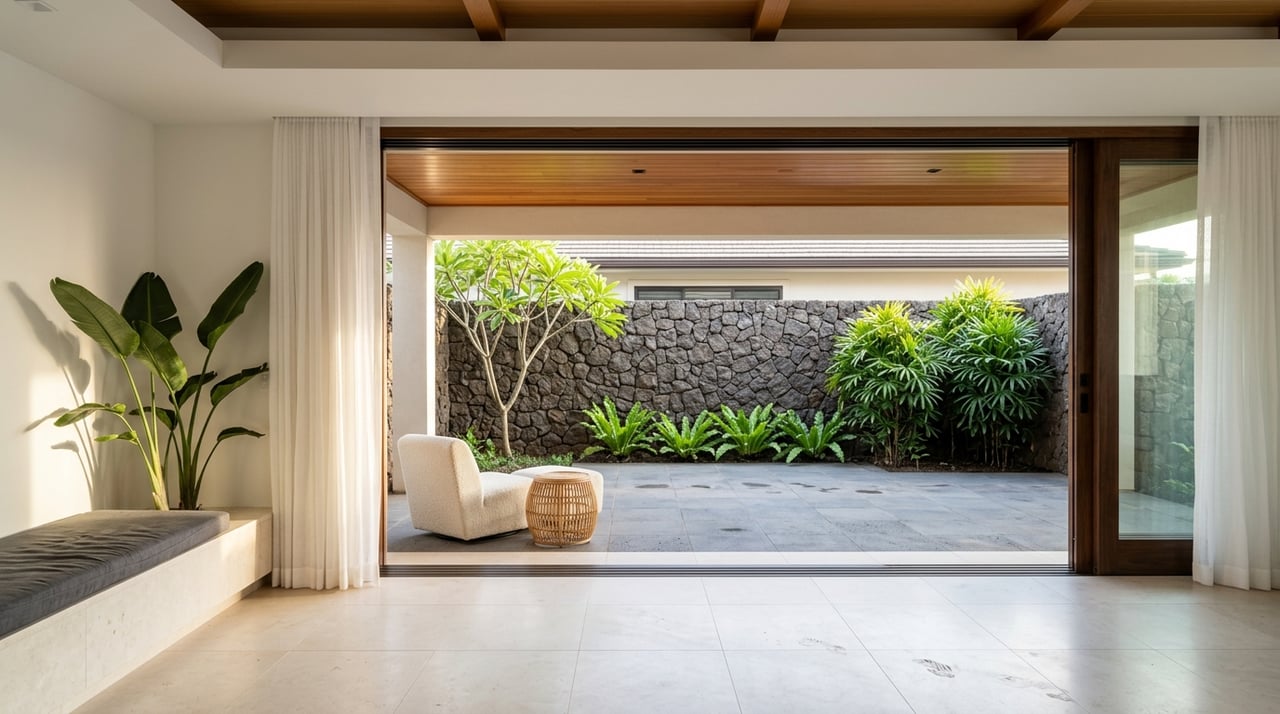
If you are selling a Kahala estate, broad market averages can give you a false sense of clarity. In this price tier, one extraordinary sale can shift islandwide numbers, and two homes in the same ZIP code can attract very different buyers. When privacy, presentation, and pricing all matter at once, you need a strategy built for your property, not just the market headlines. Let’s dive in.
Why Kahala Estates Need a Different Approach
Kahala sits within Honolulu’s 96816 ZIP code, where market snapshots can look steady on paper. As of February 2026, the area showed 130 homes for sale, a 100% sale-to-list ratio, and a median 53 days on market, while Waialae-Kahala was also described as balanced in late 2025 with homes selling around asking on average and a median 91 days on market, according to local 96816 market data.
Those numbers are useful for context, but they do not fully explain how trophy properties behave. The Honolulu Board of REALTORS® reported that one Kahala-area sale at $65.75 million materially affected O‘ahu’s average single-family price in March 2025, showing how one exceptional closing can distort islandwide data, as noted in the March 2025 O‘ahu market report.
For you as a seller, that means broad medians and averages should not drive the entire plan. A Kahala estate usually requires property-specific positioning based on the home’s setting, design, condition, and buyer appeal.
Price Strategy Starts With the Property
Luxury pricing is rarely about picking the highest possible number and waiting. In markets where comparable sales are limited, it is easy for sellers to stretch beyond where qualified buyers see value. That can lead to a listing that stays on the market too long and gives up leverage.
According to the 2025 Luxury Homes Index, ultra-luxury properties across 56 U.S. luxury markets averaged 319 days on market. Homes that took longer than 180 days averaged 569 days and sold for about 80% of ask, while homes sold within 180 days averaged about 87% of ask.
That pattern matters in Kahala. When your buyer pool is smaller and more selective, pricing discipline can protect both momentum and final outcome.
What Informs Premium Pricing
For a Kahala estate, the strongest pricing analysis usually focuses on micro-features instead of ZIP-code medians alone. These details often shape perceived value more than general neighborhood data:
- Frontage and position
- View corridor
- Lot utility and layout
- Renovation quality
- Privacy level
- Indoor-outdoor flow
- Overall rarity within the immediate market
A strong pricing plan should test where your property fits within that exact competitive set. If the listing does not attract qualified interest early, the market may be signaling that the price band is too ambitious.
Presentation Shapes First Impressions
Many luxury buyers begin their search online, and some make serious decisions before ever setting foot in the home. That is why digital presentation is not just marketing polish. It is a key part of how buyers judge quality, scale, and condition.
The National Association of Realtors® found in its 2025 Profile of Home Staging that 29% of agents saw a 1% to 10% increase in dollar value offered when a home was staged, and 49% said staging reduced time on market. Buyers’ agents also ranked photos, physical staging, video, and virtual tours as especially important to their clients.
For a Kahala estate, this supports a clear takeaway. Your home should be market-ready before it is widely introduced to buyers.
Where to Focus Preparation First
For high-end properties, staging priorities often center on the rooms and spaces that define the lifestyle of the home. Based on NAR guidance, the most important spaces typically include:
- Living room
- Primary suite
- Kitchen
- Dining area
- Major outdoor spaces
Decluttering, deep cleaning, and curb appeal also matter because they help buyers understand scale and flow quickly in photos and video. Even a remarkable property can lose impact if the digital presentation feels incomplete or inconsistent.
Why Professional Visuals Matter
NAR advises that online listings should provide as much visual information as possible because many buyers start online and some purchase without visiting in person, as explained in its guidance on making online listings shine. Professional photography should show every key room, defining features, natural light, and outdoor living areas.
In the luxury space, that standard is even more important. High-resolution photography, HD video, and virtual tours help buyers understand not just what the home includes, but how it feels.
Global Reach Can Expand the Buyer Pool
A Kahala estate may appeal to buyers from Honolulu, the mainland, and overseas. That is one reason broad luxury exposure can be valuable, especially when the property has design, location, or lifestyle features that resonate beyond the local market.
Sotheby’s International Realty reported in May 2025 that its network included more than 26,200 affiliated independent sales associates in 1,100 offices across 85 countries and territories. It also reported US$157 billion in global sales volume and US$4.6 billion in referral volume in 2024, according to the company’s global sales and network update.
For you as a seller, that kind of network can support broader visibility through international referral channels, digital marketing, and luxury-focused media distribution. It can be especially useful when your likely buyer is not already searching only within local circles.
Discretion Does Not Mean Limited Exposure
Many high-net-worth sellers want two things at the same time: meaningful buyer reach and a controlled public profile. Those goals are not mutually exclusive, but they do require a thoughtful plan.
A discreet luxury campaign can combine selective exposure, polished digital assets, and careful communication with qualified prospects. That approach helps protect your privacy while still putting the property in front of serious buyers.
When a Traditional Luxury Launch Fits
A broad luxury launch may be the right choice when you want maximum exposure through established global channels. Sotheby’s marketing platform highlights international media reach, auction-house collaboration, and digital assets such as virtual tours, HD video, and high-resolution photography, according to its May 2025 platform overview.
This path can work well if your priority is casting a wide net while keeping the presentation elevated and controlled.
When a More Private Process May Help
Some properties and sellers call for a more confidential structure. Concierge Auctions states that it accepts only the top 5% of submitted properties, markets through a global buyer network, and targets a 60-day-or-less sale timeline, as described in its methodology overview.
Its Private Auction model also states that properties are never listed on the MLS or marketed publicly, while sale price, terms, and transaction details remain confidential, according to its explanation of the Private Auction process. For certain sellers, that can offer a useful option when speed, privacy, or a highly structured sale process matters most.
The key is fit. Broad global marketing and a private auction strategy serve different goals, and the right path depends on your timeline, privacy needs, and the profile of the property.
Disclosure Still Matters in a Discreet Sale
Privacy in marketing does not remove your obligations as a Hawaii seller. If you are selling an estate in Kahala, disclosure timing and documentation still need close attention.
Under Hawaii Chapter 508D, the seller must provide a disclosure statement no later than 10 calendar days after acceptance of the purchase contract. The buyer then has 15 calendar days to review it and may have the right to rescind during that period.
If you later discover a material fact that directly, substantially, and adversely affects value, the disclosure must be amended before closing. The statute also requires the seller to prepare the disclosure in good faith and with due care.
What This Means for Your Sale
If discretion is part of your strategy, your process should still include:
- Complete and timely disclosure paperwork
- Organized property records
- A clear system for amending later-discovered material facts
- Coordination for any additional required documents tied to recorded declarations
In other words, a discreet sale should feel just as thorough behind the scenes as it does polished in public.
A Smarter Way to Sell a Kahala Estate
Selling a Kahala estate is rarely about putting a sign in the yard and waiting for the right buyer to appear. It is about presenting the home at a high level, setting a price that reflects its true market position, and matching the exposure strategy to your goals.
That may mean a globally distributed luxury launch. It may mean a quieter, more confidential process. In either case, the strongest results usually come from a tailored plan built around the property itself, not broad averages that can be skewed by a single outlier sale.
If you are considering the sale of a Kahala estate and want a thoughtful, discreet strategy with global reach, Seiko Ono can help you evaluate pricing, presentation, marketing options, and the right path to market through a confidential consultation.
FAQs
How is pricing for a Kahala estate different from pricing a typical Honolulu home?
- Kahala estate pricing is usually more property-specific because broad area averages can be distorted by a single high-value sale, and luxury buyers often focus on exact features like frontage, privacy, views, lot utility, and renovation quality.
What marketing materials matter most when selling a Kahala luxury home?
- Professional photos, physical staging, video, virtual tours, and a strong digital presentation matter most because many buyers begin online and use visuals to judge scale, condition, and lifestyle appeal.
Can you sell a Kahala estate with privacy and still reach global buyers?
- Yes, a seller can pursue a discreet strategy while still reaching qualified buyers through targeted luxury marketing or, in some cases, a more private process such as Concierge Auctions’ Private Auction model.
What does Hawaii law require when selling a Kahala property?
- Hawaii Chapter 508D requires a seller disclosure statement within 10 calendar days after contract acceptance, gives the buyer 15 calendar days to review it, and requires updates before closing if new material facts are discovered.
When might a private auction make sense for a Kahala estate sale?
- A private auction may make sense when your goals prioritize confidentiality, a more structured process, access to pre-qualified buyers, or a faster targeted timeline than a traditional public listing approach.