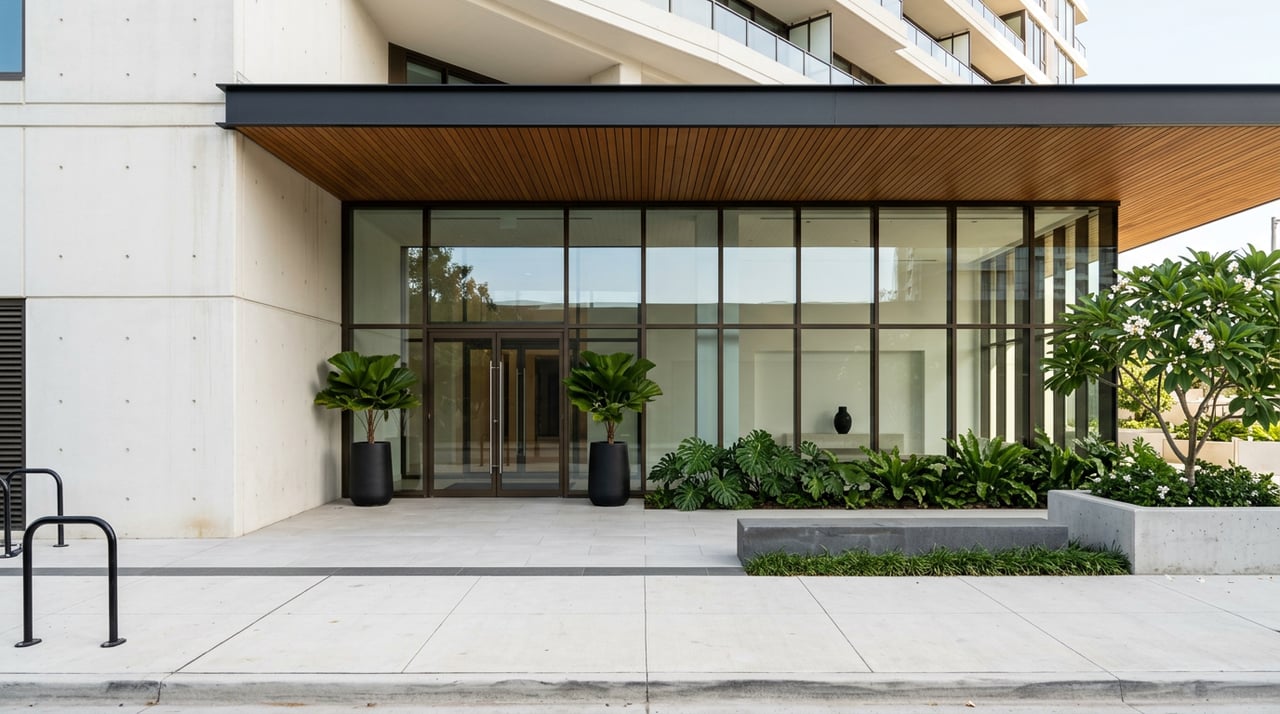
Staring at a sea of glass towers and not sure where to start? If you are shopping condos in Kakaʻako’s 96813 zip code, you have an incredible range of choices, from front‑row ocean towers to value‑oriented mid‑rises. The key is matching a building’s lifestyle, amenities, and policies to how you live every day. In this guide, you will learn how Kakaʻako is planned, how tower types differ, and what to check before you buy so you can choose with confidence. Let’s dive in.
Why Kakaʻako fits urban life
Kakaʻako is a designated Community Development District governed by the Hawaii Community Development Authority. HCDA’s plans influence redevelopment, open space, and reserved housing across the district. You can review the district context on the HCDA’s Kakaʻako FAQs and planning pages for an overview of how this urban neighborhood is evolving.
Two master initiatives define much of Kakaʻako today. Ward Village is a 60‑acre, master‑planned neighborhood by Howard Hughes that blends residential towers with parks, plazas, and retail. The developer highlights a strong emphasis on walkability and community programming, which you can see reflected in project communications about Ward Village openings and amenities. Nearby, Our Kakaʻako is a separate nine‑block vision by Kamehameha Schools that focuses on local retail, creative spaces, and a mix of housing options.
Many addresses in 96813 score very high for walking, biking, and transit access. You are close to grocery anchors, restaurants, Victoria Ward Park, Ala Moana Beach Park, and major retail. If you prize a car‑light lifestyle, you can concentrate your search on central Kakaʻako and Ward Village.
Planning context and future views
In a high‑rise district, long‑term views and sunlight can change as new towers rise. HCDA design rules address elements like view corridors and tower spacing, and Ward Village continues to build in phases. Before you value a specific view line, review the HCDA’s Kakaʻako plans and the developer’s current project map or releases. Local coverage also tracks major milestones and phasing across the neighborhood, which helps set expectations for the next few years.
Four tower categories to compare
Every building is unique, but most Kakaʻako options fall into four broad types. Use these profiles to shortlist two or three towers that align with your priorities.
A. Ultra‑luxury front‑row towers
These flagship buildings sit along Ala Moana Boulevard with a strong ocean presence. They usually have a smaller number of large residences, premium finishes, and hospitality‑style features such as concierge, private dining rooms, spa treatment rooms, guest suites, and valet‑style services. HOA dues are often higher, but larger units can help spread per‑square‑foot fees.
Representative examples include Waiea and Victoria Place in Ward Village. Buyers choose this tier for the best ocean sightlines, resort‑level amenities, and a boutique feel.
B. Luxury and premium towers
These towers deliver comprehensive amenity decks and upscale finishes, with more residences and floor plan variety than ultra‑luxury peers. You will often find multiple pool types, large fitness centers, private dining or club rooms, and family‑friendly spaces.
Examples include Anaha and Koʻula. Both offer strong amenity acreage and a wide range of 1 to 3 bedroom layouts, which can be ideal if you want luxury features without the ultra‑boutique premium.
C. Attainable, high‑amenity towers
These buildings aim to broaden access to Kakaʻako living. They typically have higher unit counts, smaller average floorplates, and robust shared amenities. Many mix market‑rate and reserved or workforce housing as part of the district’s plan.
Aeʻo is a well‑known example connected to Whole Foods, with studios to 3 bedrooms and expansive amenities. Ke Kilohana stands out for its significant reserved housing component for local buyers while still offering sky decks and co‑working spaces. If you want newer construction and walkability at more moderate entry prices, include this category in your search.
D. Older mid‑rise and non‑masterplan towers
Kakaʻako also includes earlier‑generation buildings that can offer attractive pricing. You may see fewer or different amenities, variable pet or parking rules, and lower HOA dues in some cases.
Examples include Pacifica, Imperial Plaza, and Keola Lai along corridors like Kapiolani and Kekaulike. These properties can be smart options if location matters most and you want to maximize value within 96813.
Amenities that shape daily life
As you compare buildings, focus on amenities you will actually use. A quick, apples‑to‑apples checklist makes the difference.
- Pools: Is there a lap pool, a family pool, or both? Ultra‑luxury towers sometimes feature infinity‑edge designs and quiet zones, while larger towers may provide multiple pool types.
- Concierge and guest suites: These are common in luxury categories and rare in older mid‑rises. If you host visitors often, confirm both the number of guest suites and the booking policies.
- Fitness and wellness: Compare the size and equipment of the gym, plus extras like yoga rooms, steam, sauna, and treatment rooms.
- Pet amenities: Dog runs and pet wash stations are more common in newer towers. Always confirm pet permissions in the CC&Rs and House Rules, not just in marketing summaries.
- Storage, parking, and EV: Ask whether parking stalls are deeded or assigned, if stalls are tandem, and whether EV charging is available or can be added. Also check for bike and surfboard storage.
Policies you must verify in writing
Policies differ by building and can impact both lifestyle and total cost. Request official documents early.
- Pet rules: Confirm allowed species, size or weight limits, number of pets, registration needs, and designated pet areas.
- Rental and short‑term rental rules: Rental timelines, minimum lease lengths, and HCDA or City restrictions vary by building. Policies affect investors and part‑time owners, so read them closely.
- HOA finances: Review the current maintenance fee, what it covers, reserve fund balance, budgets, and any special assessments under discussion.
- Accessibility and entry: Private elevators, secured foyers, and guest parking availability differ by price tier and building design.
Match buildings to your lifestyle
Start with lifestyle, not a building. Once you name your top two or three daily priorities, the right shortlist becomes obvious.
- Walkability and short commute: Focus on Ward Village and central Kakaʻako towers where you can step to restaurants, Whole Foods, parks, and transit. 1 and 2 bedroom floor plans with strong amenity decks often fit this profile.
- Space for households and guests: Look to luxury or premium towers that offer larger 2 and 3 bedroom residences, children’s play areas, and guest suites. Confirm guest parking and suite policies.
- Pet‑forward living: Zero in on newer towers that list dedicated pet facilities, then verify the CC&Rs for weight and number limits.
- Value focus: Compare older mid‑rises and attainable new towers. Balance purchase price with monthly maintenance, parking details, and any planned capital projects.
- Investor lens: Confirm rental permissions and any short‑term limits. Ask for association rental reports and minutes that mention leasing policies or vacancy trends.
On‑site checks that matter
Seeing a building in person, or via a thorough virtual tour, helps you understand orientation and flow.
- Stacks and exposures: Note makai, mauka, Ewa, and Diamond Head exposures and how they influence light, wind, and views.
- Elevators and circulation: Time elevator rides and lobby flow during peak hours to gauge daily convenience.
- View lines and future phases: For front‑row towers, study how proposed phases could affect ocean or park views. The HCDA’s Kakaʻako plans and Ward Village project updates are useful reference points.
- Walk the neighborhood: Test walk times to Victoria Ward Park, Ala Moana Beach Park, and your daily essentials at different times of day.
Budgeting beyond the list price
Your monthly cost is more than principal and interest. Focus on the all‑in number before you fall in love with a view.
- Maintenance fees: Confirm what is included, such as water, building insurance, security, and any basic internet or cable.
- Parking and storage: Verify the number of stalls included, whether they are deeded, and if you have a storage locker.
- Reserves and assessments: Ask for the latest reserve study or balance and any capital projects on the horizon.
Documents to request early
You or your agent should request these items for every serious candidate. They help you compare apples to apples.
- CC&Rs and House Rules
- Pet Policy and Rental/Lease Policy
- Current year budget and reserve study or reserve balance
- Recent association meeting minutes
- Parking stall deed pages and storage documentation
The bottom line for 96813
Kakaʻako offers a spectrum of living, from ultra‑luxury oceanfront to attainable, amenitized towers and older mid‑rises with value. The best path is simple. Decide which anchors matter most, pick two or three representative buildings, then confirm the rules, finances, parking, and potential assessments in writing before you write an offer. For added context on planning and phasing, you can review the HCDA’s Kakaʻako projects page and recent local reporting on Ward Village’s buildout.
If you want a curated shortlist tailored to your lifestyle, a private walkthrough, or help reviewing CC&Rs and HOA documents, reach out. With deep experience across Ward Village and Honolulu’s premium micro‑markets, we will guide you to a home that fits the way you live.
Ready to get started? Request a confidential consultation with Seiko Ono for tailored guidance and a smooth, private buying experience.
References and useful context
- Learn how the district is guided by the HCDA Kakaʻako FAQs
- See the planning framework on HCDA Kakaʻako Plans and Rules
- Explore Ward Village’s community vision in developer updates
- Discover the local vision at Our Kakaʻako
- Track big‑picture timing via the HCDA Kakaʻako Projects
- Read local reporting on phasing in the Honolulu Star‑Advertiser
FAQs
What makes Kakaʻako different from other Honolulu condo areas?
- Kakaʻako is guided by HCDA’s community district plans, with coordinated towers, parks, and reserved housing that emphasize walkability and mixed uses.
How do Ward Village and Our Kakaʻako differ?
- Ward Village is a 60‑acre master‑planned neighborhood with multiple residential phases and public plazas, while Our Kakaʻako is a separate nine‑block area focused on local retail, creative spaces, and mixed housing.
Will a new tower affect my view or sunlight?
- It can. Review HCDA plans and current developer maps to understand view corridors, tower spacing, and upcoming phases before you value a specific view line.
Which tower type fits a value‑focused buyer?
- Compare older mid‑rise or earlier‑generation high‑rise buildings and attainable new towers with smaller floorplates, then balance purchase price with maintenance fees and planned projects.
What condo policies should I read before offering?
- Always request CC&Rs, House Rules, Pet Policy, Rental Policy, current budgets, reserve studies, and recent association minutes to verify rules and financial health.
Are pets allowed in Kakaʻako condo towers?
- Many newer buildings include pet amenities, but permissions, size limits, and the number of pets vary by association, so rely on the CC&Rs and House Rules for the final answer.