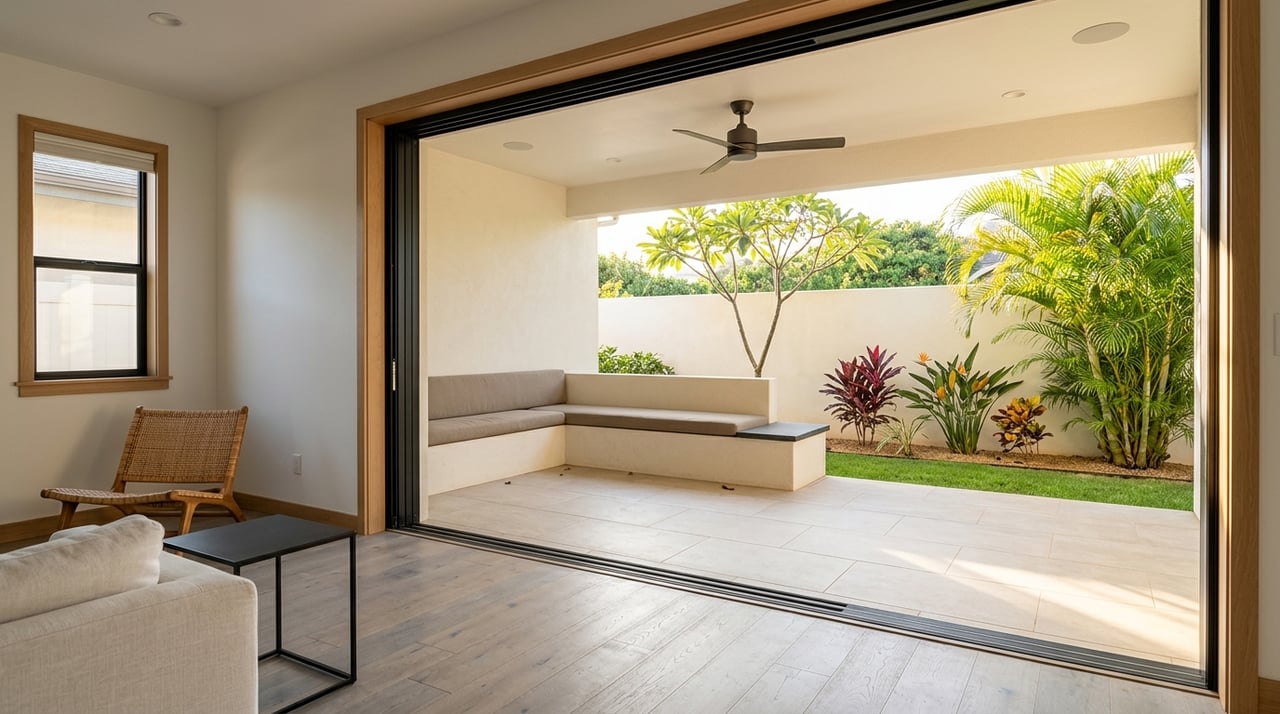
Wondering what daily life in Kapolei’s newer communities actually feels like? If you are comparing Oʻahu neighborhoods, it helps to look past listing photos and think about how a place works in real life. In Kapolei, the rhythm tends to feel newer, more planned, and more convenience-driven than many older parts of Honolulu. Here’s what you can expect from day-to-day life in 96707.
Kapolei Feels Planned and Growing
Kapolei was intentionally planned as Oʻahu’s second urban center, with growth directed there to complement Honolulu and help preserve open space. That bigger planning vision still shapes how the area feels today. Instead of growing in a purely piecemeal way, many parts of Kapolei feel like they were designed around modern daily needs.
That growth has been significant. A 2023 Hawaii Housing Finance and Development Corporation document notes that the Kapolei census-designated place grew from 15,186 residents in 2010 to 21,674 in 2020. For you as a resident or buyer, that usually translates into a community that feels active, expanding, and increasingly connected.
Newer Homes Shape Daily Living
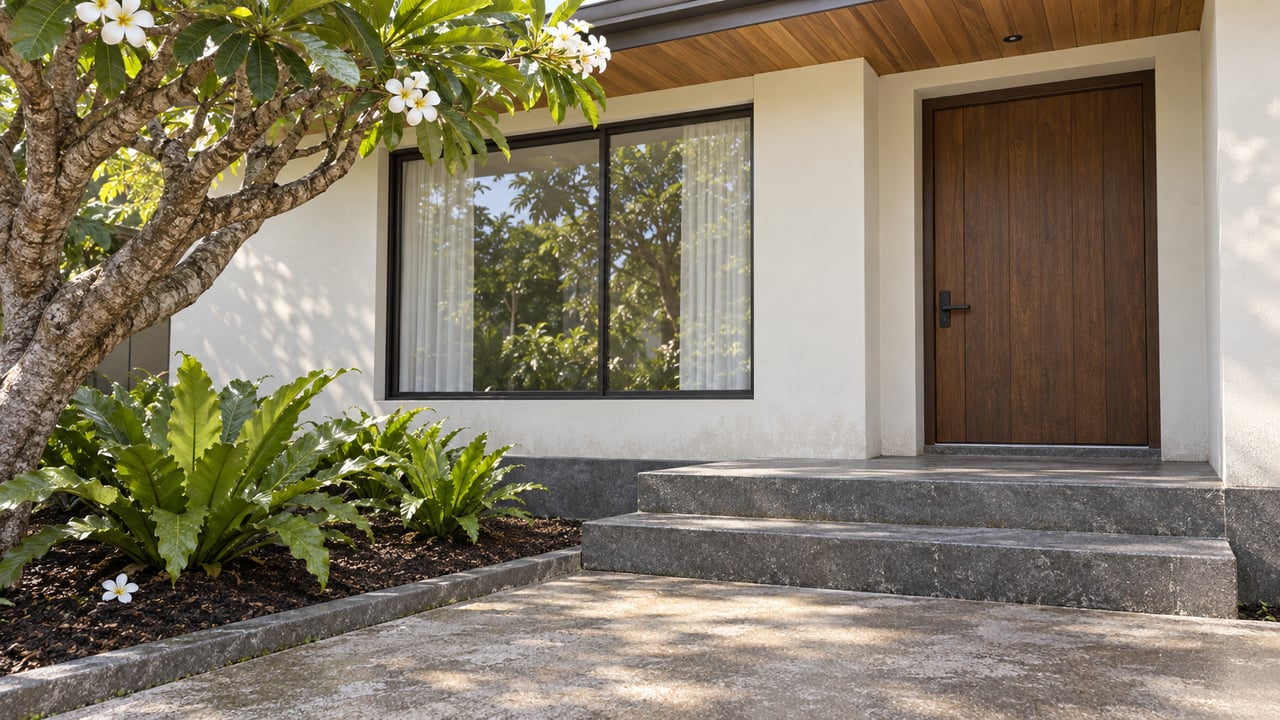
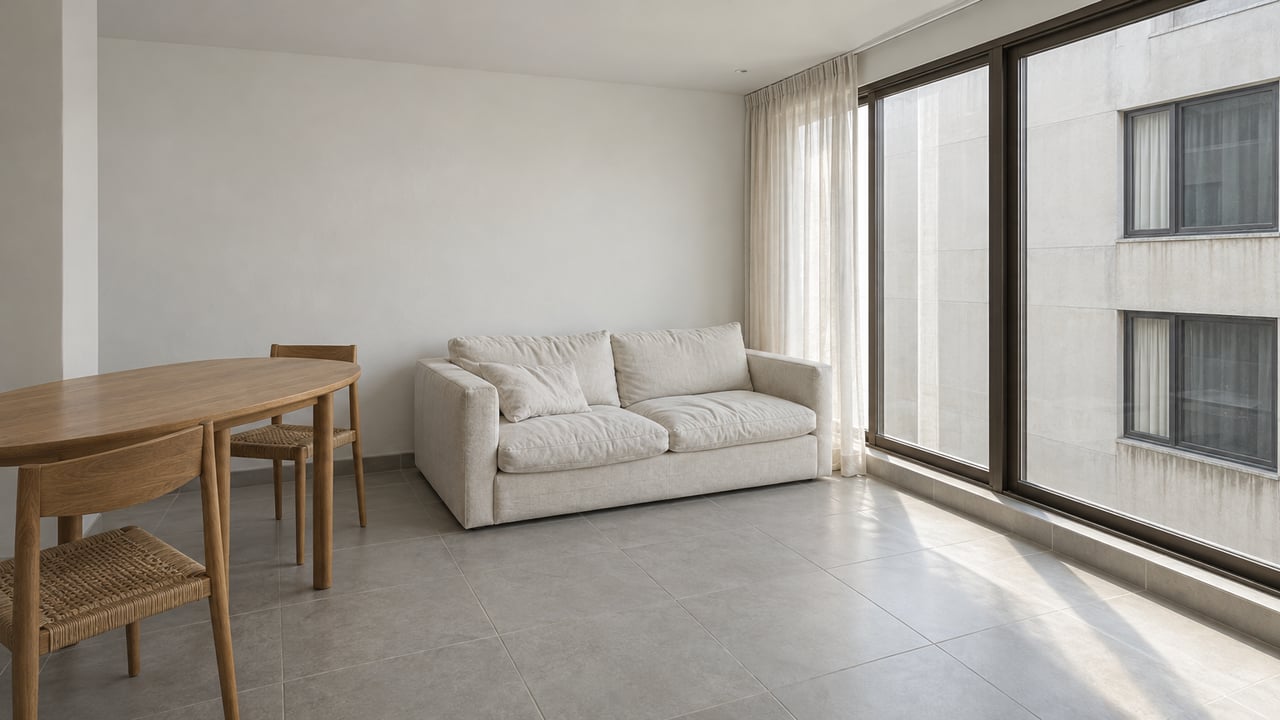
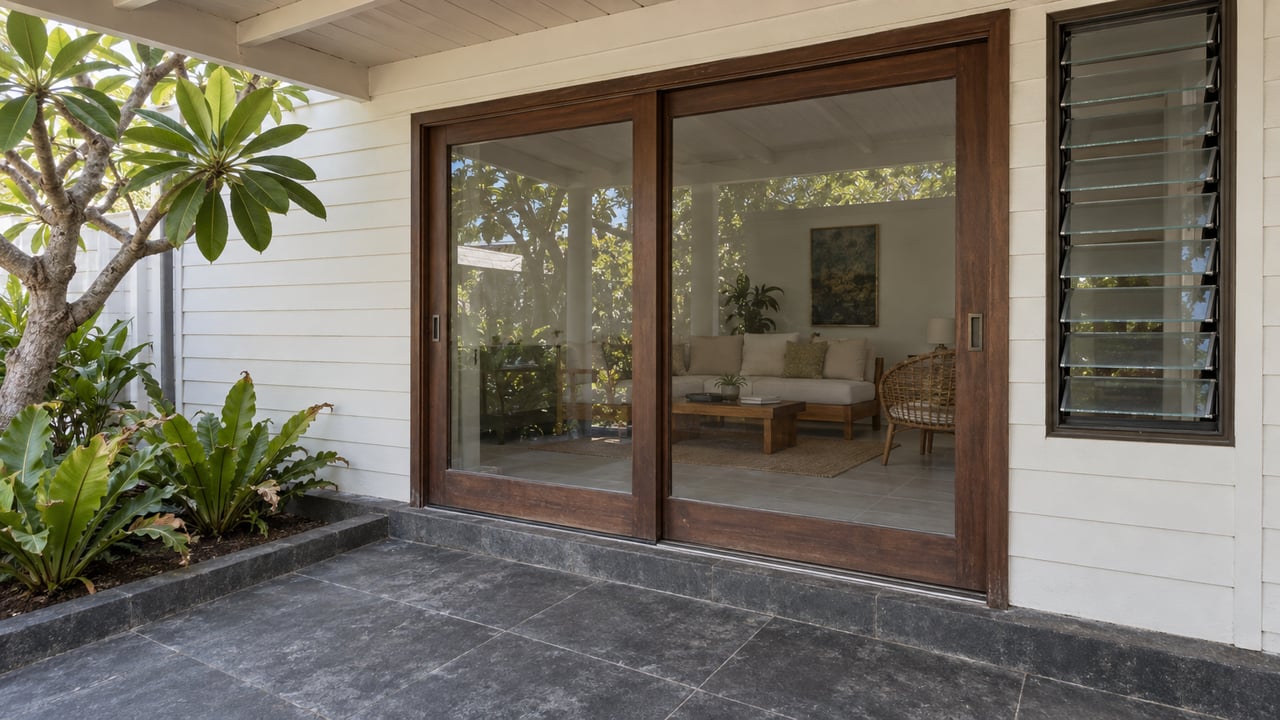
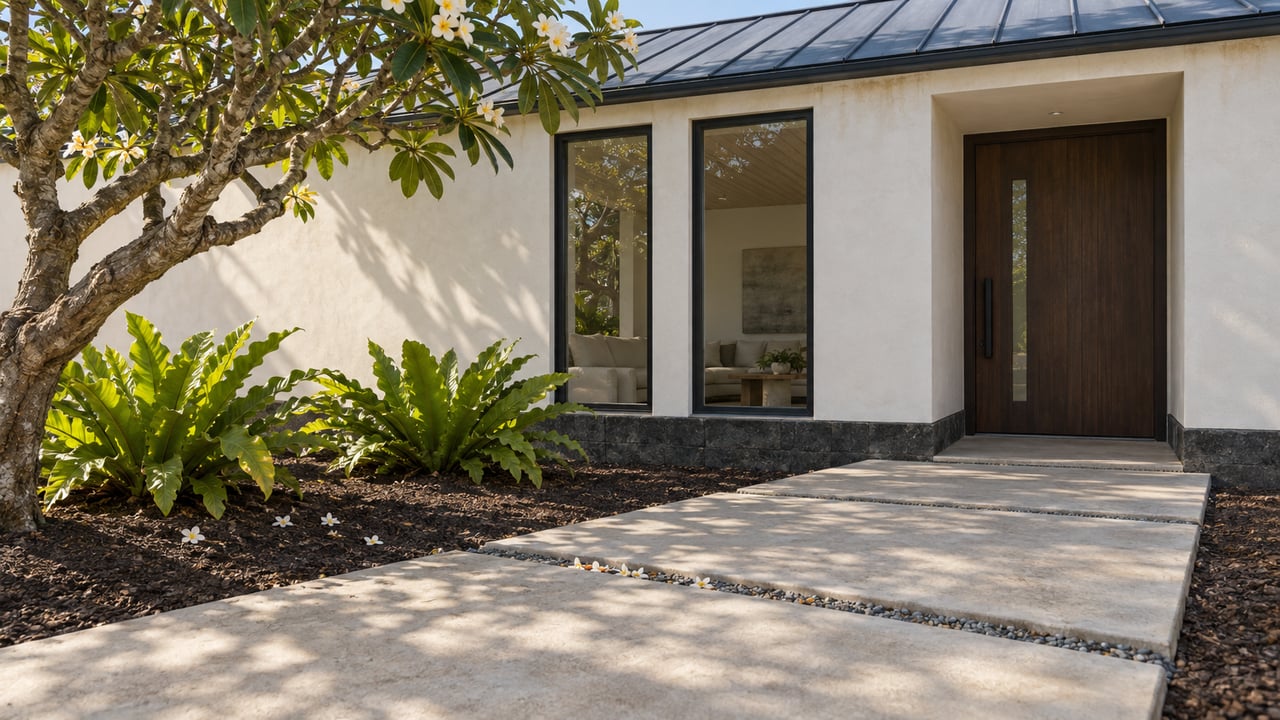
One of the clearest differences in Kapolei’s newer communities is the housing style. In East Kapolei, Hoʻopili is described as a master-planned, transit-oriented community. Newer Gentry homes in the broader Kapolei and Kalaeloa area emphasize open floor plans, energy-efficient features, and flexible spaces that can work for a home office or changing household needs.
In practical terms, that often means your home may feel more aligned with current lifestyles than older housing stock elsewhere on the island. Open layouts can make everyday living easier, especially if you work remotely, host family, or simply want more functional space. Energy-efficient features may also appeal if you are thinking about long-term comfort and upkeep.
The Lifestyle Is Convenient
A big part of Kapolei life is convenience. Two major retail hubs, Ka Makana Aliʻi and Kapolei Commons, do a lot of heavy lifting in daily routines. Ka Makana Aliʻi is a 1.4 million-square-foot regional mall with more than 100 stores and restaurants, plus a theater and hotel.
Kapolei Commons adds another strong mix of everyday retail and dining, including Target, Marshalls, Ross, and Petco. For many residents, that means errands, dinner, and entertainment can often happen in one outing instead of several separate trips. That convenience gives the area a practical, easygoing day-to-day rhythm.
Errands Often Happen in Clusters
If you are used to denser urban neighborhoods, Kapolei may feel less like a place where everything is downstairs and more like a place where destinations are grouped together. You may drive to a retail center, check off your shopping list, grab a meal, and head home. That pattern is a big part of how the newer communities function.
For some buyers, that is a plus. It can make daily life feel streamlined and predictable. If your schedule is busy, having major shopping, dining, and entertainment concentrated in a few central areas can be a real benefit.
Kapolei Feels More Suburban Than Urban
Compared with central Honolulu neighborhoods, Kapolei often feels more suburban and spread out. That does not mean disconnected. It means the experience is different. The area is better understood as modern and master-planned rather than urban in the same way as a place like Kakaʻako.
This distinction matters when you picture your routine. If you want a dense, walk-everywhere environment with an older urban texture, Kapolei may feel different from what you expect. If you prefer a newer, more open, more destination-oriented setting, it may feel like a strong match.
Walking Options Are Improving
A common question is whether Kapolei is walkable. The honest answer is that some corridors are improving, but the overall feel remains more suburban than dense. The City and County of Honolulu says Complete Streets work is ongoing in Kapolei, ʻEwa Beach, and Waiʻanae to make streets safer and more convenient for walking, biking, transit, and ride-share.
That means transportation options are expanding, even if the area does not yet feel like a fully walk-everywhere district. For you, the experience may depend on exactly where you live and how close you are to parks, retail centers, or transit stops. In newer communities, planning tends to support convenience, but not always a fully pedestrian lifestyle.
Skyline Adds Regional Access
Transportation is another part of Kapolei’s evolution. West Oʻahu is described by the city as a rapidly growing area and home to two rail stations. HART says Skyline currently operates from East Kapolei to Middle Street, and Segment 2 opened on October 16, 2025, extending service to the airport and Kalihi.
That regional connection can shape your routine in meaningful ways. Even if you do not use rail every day, having more transit access broadens your options for commuting and getting around the island. It also reinforces the idea that Kapolei is growing as a connected region, not just a collection of subdivisions.
Kapolei Is More Than a Bedroom Community
Kapolei’s newer communities are not only about housing. Nearby Kalaeloa adds another layer to the lifestyle. The area covers about 3,700 acres, and the Hawaii Community Development Authority master plan envisions about 3 million square feet of light industrial, commercial, retail, and office space, along with about 7,000 jobs.
That helps explain why Kapolei often feels like a live-work region. For you, this may mean more opportunity to live closer to employment, services, and growing business activity. It gives the area a practical, self-contained quality that many buyers appreciate.
Parks Add Breathing Room
Outdoor space also plays a meaningful role in daily life here. The Ewa Development Plan identifies Kapolei Regional Park as the major park for Kapolei and the surrounding region. In a part of Oʻahu that continues to grow, that kind of regional open space can help balance the pace of development.
If you value room to stretch out, spend time outdoors, or break up the week with park visits, this is part of Kapolei’s appeal. The area’s newer layout often feels more open than older urban neighborhoods. That sense of breathing room is one reason many people describe Kapolei as practical and livable.
Beach Days Are Usually a Short Drive
Kapolei offers access to the coast, but the lifestyle is usually more short-drive beach day than beachfront promenade. The state’s 2025 beach locations list identifies Lanikuhonua Beach in Kapolei as adjacent to Ko Olina and notes that visitors should not use the Ko Olina lagoons or hotel property. Public west-side options also include Kaʻena Point State Park, where the Keawaʻula section has a large sandy beach and lifeguard service during certain conditions.
For many residents, that means beach time is still part of life, just not always at your doorstep. You may plan a quick drive, pack up for the morning, and make it part of your weekend rhythm. That pattern fits Kapolei’s overall feel: connected to outdoor living, but in a more practical and regional way.
What Daily Life Often Feels Like
So what does life in Kapolei’s newer communities feel like on an average week? It often feels organized, convenient, and modern. You may spend weekdays moving between home, work, retail centers, parks, and transit options with less of the density and historic texture found in older Honolulu neighborhoods.
For many buyers, that is exactly the appeal. Kapolei offers newer housing patterns, growing infrastructure, concentrated shopping and dining, regional park space, and relatively easy access to beach outings. It is a lifestyle that tends to feel planned, functional, and increasingly complete.
If you are weighing whether Kapolei fits your goals, the answer often comes down to what kind of daily rhythm you want. If you value newer communities, practical convenience, and a modern West Oʻahu setting, Kapolei deserves a close look. If you are considering a move on Oʻahu and want tailored guidance on how different neighborhoods align with your lifestyle, Seiko Ono offers discreet, high-touch insight to help you evaluate your options with clarity.
FAQs
What does daily life in Kapolei’s newer communities feel like?
- Daily life in Kapolei’s newer communities often feels modern, planned, and convenience-oriented, with shopping, dining, parks, and transit options shaping a practical weekly routine.
Are homes in Kapolei’s newer communities still mostly newer construction style?
- Many of Kapolei’s more recent homes emphasize open layouts, energy-efficient features, and flexible-use space, although the broader area is continuing to mature into a mixed-use district.
Is Kapolei walkable for everyday errands?
- Some areas are improving through Complete Streets work, but Kapolei still generally feels more suburban and destination-oriented than a dense walk-everywhere neighborhood.
What makes Kapolei convenient for daily living?
- Major retail centers such as Ka Makana Aliʻi and Kapolei Commons concentrate shopping, dining, entertainment, and errands into a few key hubs.
Does Kapolei offer transit access to other parts of Oʻahu?
- Yes, Skyline serves East Kapolei through Middle Street, and service was extended to the airport and Kalihi in October 2025, expanding regional access.
Is Kapolei more urban or suburban in feel?
- Kapolei generally feels more suburban, open, and master-planned than central Honolulu neighborhoods, even as it continues to grow into a more connected regional center.
Are beaches close to Kapolei’s newer communities?
- Beach access is nearby, but it is usually more of a short-drive outing than a walk-out-your-door beach lifestyle.